Best Fishing in Maine: Your Ultimate Guide to Pine Tree State Angling
Why Maine Offers Some of America's Best Fishing
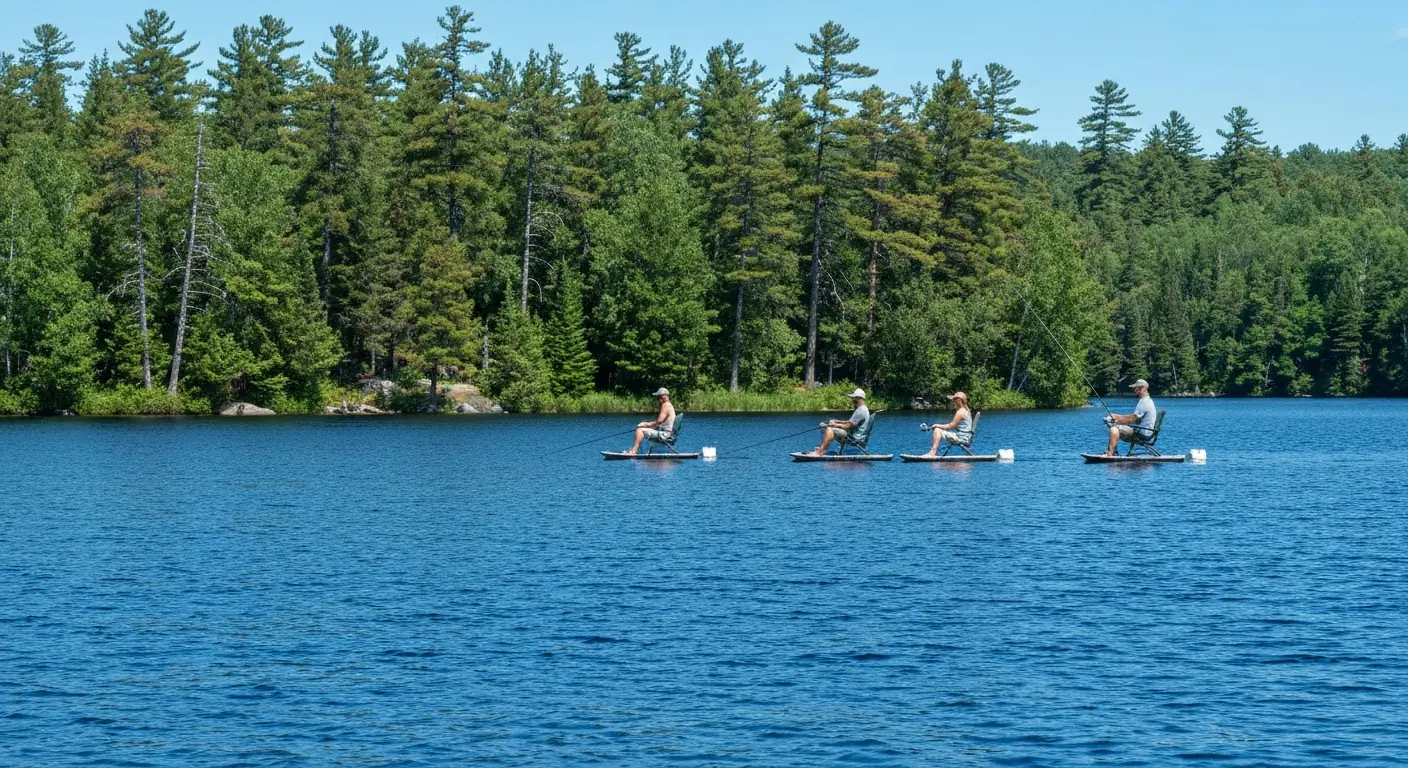
Maine stands as one of the premier fishing destinations in North America, offering anglers an incredible diversity of fishing opportunities that few states can match. From pristine mountain lakes teeming with brook trout to rocky coastlines where striped bass patrol the surf, the best fishing in Maine encompasses both freshwater and saltwater experiences that create lifelong memories.
With over 6,000 lakes and ponds, 32,000 miles of rivers and streams, and 3,500 miles of rugged coastline, Maine provides anglers with endless opportunities to wet their lines. The state's commitment to conservation and sustainable fishing practices ensures these waters remain healthy and productive for future generations of anglers.
Top Freshwater Fishing Destinations in Maine
Moosehead Lake
As Maine's largest lake, Moosehead Lake represents the pinnacle of freshwater angling in the state. This massive body of water spans over 75 square miles and reaches depths of 246 feet, creating diverse habitats that support multiple fish species. The lake is renowned for its lake trout fishing, with specimens regularly exceeding 20 pounds.
Spring and fall offer the best opportunities for trophy lake trout, when these deep-water fish move to shallower areas. During summer months, anglers can target smallmouth bass along rocky shorelines and drop-offs. The lake also holds healthy populations of landlocked salmon, providing exciting light-tackle fishing throughout the open water season.
Rangeley Lakes Region
The Rangeley Lakes chain, including Rangeley Lake, Mooselookmeguntic Lake, and Richardson Lakes, offers some of the best fishing in Maine for landlocked salmon and brook trout. These interconnected waters have been famous among anglers for over a century, drawing fishing enthusiasts from around the world.
Landlocked salmon in the Rangeley region are particularly prized for their size and fighting ability. Spring trolling with streamers and smelt patterns often produces salmon in the 3-5 pound range, with occasional fish reaching trophy proportions. The crystal-clear waters also support native brook trout, providing opportunities for both trolling and fly fishing.
Sebago Lake
Located just 20 miles from Portland, Sebago Lake offers convenient access to excellent fishing without venturing into Maine's remote wilderness. This 28,771-acre lake is famous for its landlocked salmon fishing, particularly during the spring and fall seasons when fish move into shallower water.
The lake's salmon average 2-4 pounds, with larger specimens caught regularly. Lake trout also inhabit the deeper sections, providing year-round fishing opportunities. Summer months bring excellent smallmouth bass fishing, especially along the numerous rocky points and underwater structures.
Grand Lake Stream
This legendary waters system, consisting of Grand Lake and the connecting Grand Lake Stream, represents the heart of Maine's landlocked salmon fishing tradition. The area has been a mecca for serious salmon anglers since the late 1800s, and it continues to produce exceptional fishing today.
Grand Lake Stream is particularly famous for its fly fishing opportunities, where traditional streamers like the Gray Ghost and Black Ghost were perfected. The stream provides classic pool-and-riffle fishing, while Grand Lake offers trolling opportunities for larger salmon. The entire system also supports excellent smallmouth bass fishing.
Premier Saltwater Fishing Locations
Casco Bay
Casco Bay, with its numerous islands and varied structure, provides some of the best fishing in Maine's coastal waters. The bay supports diverse fish populations, including striped bass, mackerel, flounder, and cod. The rocky ledges and drop-offs create ideal habitat for gamefish throughout the fishing season.
Striped bass fishing peaks during summer months, with fish ranging from schoolies to trophy-sized specimens exceeding 40 pounds. Popular techniques include live bait fishing with mackerel or pogies, as well as casting lures around rocky structure during moving tides.
Penobscot Bay
The expansive waters of Penobscot Bay offer excellent opportunities for both recreational and charter fishing. The bay's deep waters and strong tidal currents create rich feeding areas that attract baitfish and the gamefish that pursue them.
Cod fishing in Penobscot Bay can be exceptional during fall and winter months, with fish averaging 3-8 pounds. The bay also provides excellent opportunities for pollock, haddock, and seasonal runs of bluefish. Charter boats operating from Camden, Rockland, and other ports provide access to the bay's best fishing areas.
Kennebec River
The Kennebec River offers unique fishing opportunities where fresh and salt water meet. The lower river supports excellent striped bass fishing, particularly during spring and fall migrations. These fish often reach impressive sizes, with 30-40 pound specimens caught regularly.
The river also provides opportunities for sea-run brown trout and Atlantic salmon restoration efforts. Fly fishing enthusiasts particularly enjoy the technical challenges presented by the river's varying currents and structure.
Target Species and Best Times to Fish
Brook Trout
Maine's state fish, the brook trout, thrives in the state's cold, clean waters. These beautiful native char prefer temperatures below 65°F, making spring and fall the prime seasons for consistent action. Remote ponds and high-elevation lakes often provide the best opportunities for trophy brook trout.
Fly fishing with dry flies during evening hatches can be incredibly productive, while trolling small streamers works well throughout the day. Many of Maine's best brook trout waters require hiking or canoeing to access, rewarding dedicated anglers with pristine fishing experiences.
Landlocked Salmon
Landlocked salmon represent one of Maine's most prized gamefish species. These powerful fighters prefer cold, well-oxygenated water and are most active during spring and fall when surface temperatures are cooler. Trolling with smelt patterns, streamers, and spoons produces consistent results.
The best fishing often occurs during overcast conditions or low-light periods. Spring fishing begins shortly after ice-out, while fall fishing can extend into November in many waters. Summer fishing requires targeting deeper, cooler water where salmon remain active.
Striped Bass
Maine's coast supports excellent striped bass fishing from May through October. These anadromous fish follow baitfish migrations along the coast, creating opportunities for both shore and boat anglers. Live bait fishing with mackerel, pogies, or eels often produces the largest fish.
Surfcasting from rocky points during moving tides can be extremely productive, particularly during early morning and evening hours. Look for feeding birds, baitfish activity, and current lines that concentrate prey species.
Essential Fishing Regulations and Licensing
Before experiencing the best fishing in Maine, all anglers must obtain proper licensing and understand current regulations. Maine requires fishing licenses for anyone 16 years or older, with options for resident, non-resident, and short-term licenses available.
Freshwater fishing regulations include specific rules for different water bodies, species limits, and seasonal restrictions. Many waters have special regulations designed to protect and enhance fish populations. Always check current regulations before fishing, as rules can change annually.
Saltwater fishing regulations are generally less restrictive, but minimum size limits and bag limits apply to most species. Some areas may have seasonal closures or special restrictions to protect spawning fish or sensitive habitats.
Planning Your Maine Fishing Adventure
Best Seasons for Different Species
Understanding seasonal patterns helps anglers target specific species when they're most active. Spring (April-June) offers excellent trout and salmon fishing as fish become active after winter. Summer (July-August) brings warm-water species like bass to peak activity, while saltwater fishing reaches its prime.
Fall (September-November) provides some of the year's best fishing as fish feed heavily before winter. Cool water temperatures bring trout and salmon back to shallow areas, while saltwater species often reach peak sizes before migrating south.
Gear and Equipment Recommendations
Successful Maine fishing requires appropriate gear for diverse conditions. Freshwater anglers should pack medium to medium-heavy spinning or casting rods for lake fishing, while lighter fly rods work well for stream fishing. Saltwater fishing demands heavier tackle capable of handling larger fish and harsh conditions.
Essential tackle includes a variety of lures, baits, and flies appropriate for target species. Streamers, spoons, and live bait are productive for salmon and trout, while soft plastics, topwater lures, and live bait work well for bass. Saltwater anglers should carry jigs, plugs, and live bait rigs.
Lodging and Guide Services
Maine offers numerous lodging options for fishing enthusiasts, from rustic sporting camps to luxury resorts. Traditional sporting camps provide authentic Maine experiences with knowledgeable guides and access to productive waters. Many camps include boats, equipment, and meals in their packages.
Professional guide services can dramatically improve success rates, especially for visitors unfamiliar with local waters. Experienced guides understand seasonal patterns, productive techniques, and regulations, allowing clients to focus on enjoying their fishing experience.
Conservation and Sustainable Fishing Practices
Maine's reputation for excellent fishing depends on responsible angling practices and conservation efforts. The state's fisheries management programs work to maintain healthy fish populations through stocking, habitat improvement, and protective regulations.
Anglers can contribute to conservation by practicing catch and release when appropriate, following all regulations, and respecting aquatic habitats. Proper handling of fish intended for release, including using barbless hooks and minimizing air exposure, helps ensure survival rates.
Supporting conservation organizations and participating in volunteer programs helps maintain and improve Maine's fisheries. Many groups organize stream restoration projects, habitat improvement efforts, and educational programs that benefit fish populations and fishing opportunities.
The best fishing in Maine continues to attract anglers from around the world because of the state's commitment to maintaining healthy, productive waters. By fishing responsibly and supporting conservation efforts, anglers help ensure these incredible opportunities remain available for future generations to enjoy.
Frequently Asked Questions
What is the best time of year for fishing in Maine?
The best time depends on your target species. Spring (April-June) is excellent for trout and salmon fishing after ice-out. Summer (July-August) offers peak saltwater fishing and warm-water species action. Fall (September-November) provides some of the year's best fishing as fish feed heavily before winter, with cooler water bringing trout and salmon back to shallow areas.
Do I need a fishing license to fish in Maine?
Yes, anyone 16 years or older must have a valid Maine fishing license. The state offers resident, non-resident, and short-term license options. Separate licenses are required for freshwater and saltwater fishing. You can purchase licenses online, at sporting goods stores, or at town offices throughout Maine.
What are the most popular fish species to target in Maine?
Maine's most popular freshwater species include brook trout (the state fish), landlocked salmon, lake trout, and smallmouth bass. For saltwater fishing, striped bass, cod, mackerel, flounder, and pollock are the primary targets. Each species has optimal seasons and specific techniques that work best for consistent success.
FISH SMARTER ⚓
FIND YOUR SPOT →