Minnesota's New Catch-and-Release Bass Season 2026: Everything Anglers Need to Know
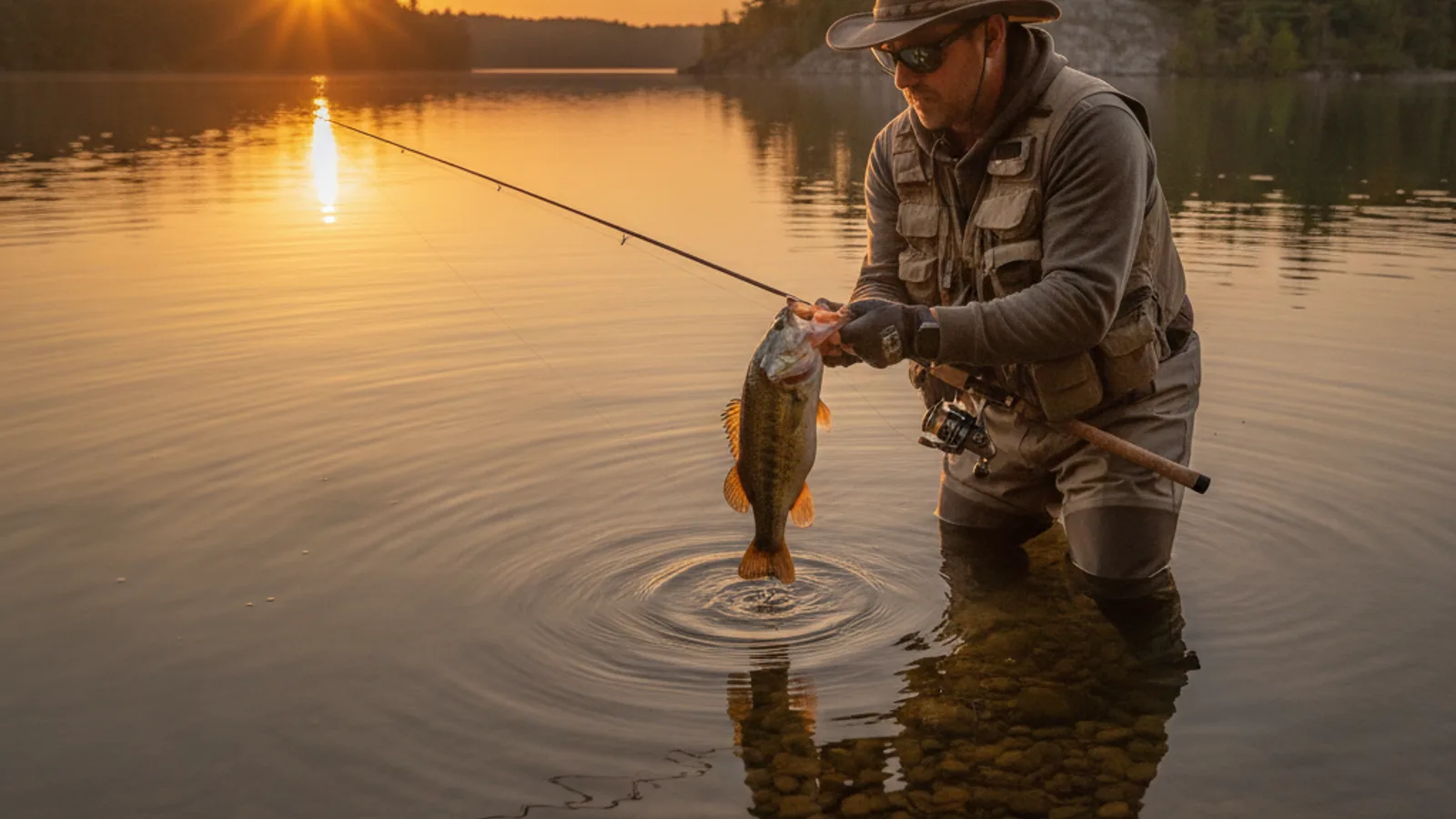
Minnesota anglers have reason to celebrate. Starting in 2026, the Minnesota Department of Natural Resources (MN DNR) has introduced year-round catch-and-release bass fishing on inland waters, a major shift from decades of closed-season restrictions. If you've ever stared at open water in March or April wishing you could throw a jerkbait for bass, your wait is over.
Here's everything you need to know about the new Minnesota bass season 2026 regulations, which lakes to target first, and how to catch cold-water bass during the early pre-spawn window.
What Changed for Minnesota Bass Season 2026
Previously, Minnesota bass season on inland waters was completely closed from early March through the Saturday of Memorial Day weekend. You couldn't target bass at all during this period, not even catch-and-release. That meant roughly three months of prime pre-spawn bass fishing was off-limits.
Under the new 2026 regulations, here's how the season breaks down:
- March 1 through late May (Friday before harvest opener): Catch-and-release only. Artificial lures with a single hook required. All bass must be immediately released.
- Late May (Saturday of Memorial Day weekend) through February: Traditional harvest season with standard bag and size limits. This part is unchanged from prior years.
The key takeaway: you can now fish for bass year-round in Minnesota, but the early-season window is strictly catch-and-release with gear restrictions designed to protect fish survival.
Important: The catch-and-release regulation applies to Minnesota inland waters only. Border waters (like the Mississippi River shared with Wisconsin) may have different rules. Always check the specific MN DNR regulations for the water you're fishing.
Catch-and-Release Season Regulations
The MN DNR designed the early-season rules to minimize stress and mortality on bass that are preparing to spawn. Here's what you need to follow during the catch-and-release period:
- Artificial lures only. No live bait, no cut bait, no scented soft plastics with bait additives. Straight artificial.
- Single hook only. No treble hooks. If your lure has trebles, replace them with single hooks or choose a different bait. This dramatically reduces deep hooking.
- Immediate release required. No keeping bass on a stringer, in a livewell, or for photos longer than necessary. Unhook and release quickly.
- Standard fishing license required. No special permit needed, your regular Minnesota fishing license covers catch-and-release bass.
These rules apply to both largemouth bass and smallmouth bass on all Minnesota inland waters during the catch-and-release window.
Why This Matters for Minnesota Anglers
This regulation change is significant for several reasons. First, it opens up nearly three months of additional bass fishing opportunity that didn't exist before. March, April, and early May are when bass are staging, feeding heavily, and moving toward spawning areas, some of the most exciting fishing of the year.
Second, it aligns Minnesota with a growing trend across Midwestern states. Wisconsin, Michigan, and Iowa already allow some form of early-season bass fishing. Minnesota anglers have long driven across state lines to scratch the pre-spawn itch. Now they can stay home.
Third, the single-hook and artificial-only restrictions show the DNR is prioritizing conservation alongside access. Studies from other states with similar programs show catch-and-release mortality stays under 5% when single hooks and artificial lures are used, well within sustainable levels.
Best Minnesota Lakes for Early-Season Bass
Not all Minnesota lakes fish the same in March and April. Water temperature is the primary driver, and some lakes warm significantly faster than others. Here are the top picks for the new catch-and-release season:
Southern Minnesota (Warmest First)
- Lake Minnetonka: Dark bottom in many bays, urban heat effect, and protected coves that warm quickly. Expect fishable water temps by mid-March in a normal year.
- Lake Washington (Le Sueur County): Shallow, fertile, and one of the first southern MN lakes to warm. Big largemouth population.
- Madison Lake: Another shallow, dark-bottomed lake that warms early. Good numbers of both largemouth and smallmouth.
Central Minnesota
- Mille Lacs Lake: World-class smallmouth fishery. The south shore warms first, focus on rocky points and wind-blown banks in April.
- Gull Lake: Clear water with excellent smallmouth. Pre-spawn fish stage on main-lake points and rock transitions.
- Lake Koronis: Underrated largemouth lake with good weed growth that holds fish early.
Northern Minnesota
- Lake Vermilion: Trophy smallmouth water. Northern lakes warm later, expect the best action from late April into May.
- Leech Lake: Massive lake with diverse structure. The Walker Bay area and south-facing shorelines warm earliest.
For a full list of fishing locations across the state, check our Minnesota fishing spots page with forecasts and solunar data for each location.
Best Techniques for Cold-Water Pre-Spawn Bass
Fishing for bass in 40-55 degree water is a different game than summer fishing. The fish are lethargic, their metabolism is slow, and they won't chase fast-moving baits. Here's what works:
Jerkbaits (The #1 Choice)
Suspending jerkbaits are the undisputed king of cold-water bass fishing. The twitch-twitch-pause cadence triggers reaction strikes from bass that aren't actively feeding. Use long pauses, 5 to 10 seconds between twitches when water is below 50 degrees. Shorten the pause as water warms.
Top picks: Megabass Vision 110, Rapala X-Rap, Lucky Craft Pointer. Stick with natural colors, ghost minnow, table rock shad, or silver and black. Remember: single hooks only during catch-and-release season, so swap those trebles.
Blade Baits and Metal Lipless Cranks
When bass are holding tight to the bottom on deeper structure, channel edges, rock piles, main-lake points, a blade bait worked with a vertical jigging motion is deadly. Lift it 6-12 inches off the bottom and let it flutter back down. Most strikes come on the fall.
Hair Jigs and Finesse Jigs
A 3/8oz hair jig or compact finesse jig dragged slowly along rocky banks and transitions is a big-bass technique. The slow fall rate and subtle movement are perfect for cold water. Brown, black, and peanut butter/jelly colors mimic the crawfish that bass feed on as they stage near spawning areas.
Ned Rigs
When all else fails, downsize. A Ned rig (small mushroom head jig with a finesse worm) fished painfully slow on the bottom catches bass in the toughest cold-water conditions. This is your backup plan on tough days.
Pro Tip: Focus on the warmest water you can find. In March and April, the north and northwest banks of Minnesota lakes get the most direct afternoon sun. A 2-3 degree temperature difference in a sheltered bay can be the difference between getting skunked and having an incredible day.
Timing Your Trips
During the early catch-and-release season, afternoon is almost always better than morning. Water temperatures peak between 2:00 PM and 5:00 PM, and that's when cold-water bass are most likely to feed. Don't feel guilty about sleeping in, the early bird doesn't get the bass in March.
Weather patterns matter enormously. A stretch of 3-4 warm, sunny days will push water temps up several degrees and activate fish. The day before a cold front moves through is often the best single day to fish. Avoid the day after a cold front, bass shut down hard when temps drop suddenly.
Use solunar forecasts and fishing conditions data to stack the odds in your favor. Combine a warm afternoon with a major solunar period and you've got the recipe for an outstanding early-season trip.
Check Minnesota Fishing Conditions
See solunar periods, weather forecasts, and fishing scores for Minnesota lakes to plan your early-season bass trips.
View Minnesota fishing forecasts →Frequently Asked Questions
When does Minnesota's catch-and-release bass season start in 2026?
The new year-round catch-and-release bass season on Minnesota inland waters begins March 1, 2026. You can fish for bass with artificial lures and single hooks from March 1 onward, but must release all bass until the traditional harvest opener in late May.
What lures are legal during Minnesota's catch-and-release bass season?
During the catch-and-release period (March 1 through the Friday before the harvest opener), you must use artificial lures only with a single hook. Treble hooks, live bait, and multi-hook rigs are not allowed. This reduces gut-hooking and improves survival rates for released bass.
Which Minnesota lakes are best for early-season bass fishing?
Top early-season bass lakes include Mille Lacs Lake, Lake Minnetonka, Lake Vermilion, Gull Lake, and Leech Lake. Shallower, darker-bottomed lakes warm faster and tend to produce earlier in March and April. Southern Minnesota lakes generally warm 1-2 weeks ahead of northern waters.
Can I keep bass during Minnesota's catch-and-release season?
No. All bass must be immediately released during the catch-and-release period. The traditional harvest season with bag and size limits begins on the Saturday of Memorial Day weekend (late May), which remains unchanged from previous years.
Does Minnesota's new bass rule apply to both largemouth and smallmouth bass?
Yes. The year-round catch-and-release regulation applies to both largemouth bass and smallmouth bass on Minnesota inland waters. Both species must be released unharmed during the catch-and-release period.
FISH SMARTER ⚓
FIND YOUR SPOT →