Best Fishing Spots in Florida 2026: Coast, Lake, River & Keys Guide
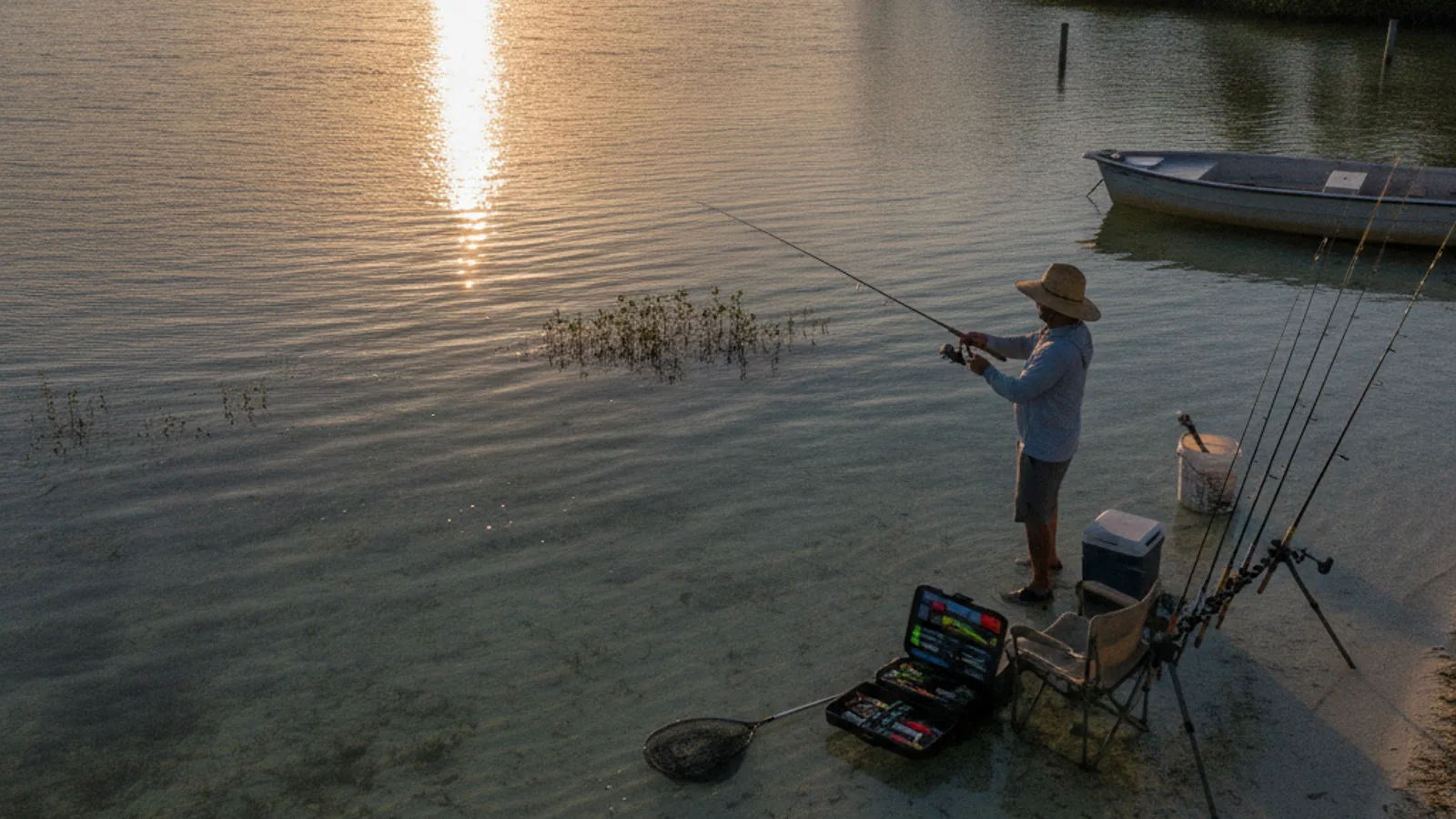
Florida is not just one of the best fishing destinations in the Southeast, it is the fishing capital of America. With 1,350 miles of coastline, more than 7,700 named lakes, and a subtropical climate that keeps fish active twelve months a year, the Sunshine State offers something no other state can match: world-class saltwater, freshwater, and flats fishing all within a few hours of each other.
We've compiled the definitive guide to the 25 best fishing spots in Florida for 2026, organized by water type, saltwater, freshwater, and the legendary Florida Keys, with the key species, peak seasons, and local tips you need to plan a successful trip.
Why Florida Is America's Fishing Capital
No other state combines the variety that Florida does. The Gulf Coast offers calm, shallow grass flats and nearshore reefs. The Atlantic side delivers powerful inlet fishing and offshore bluewater. The interior is stitched together with massive lakes, slow-moving rivers, and backwater marshes that grow largemouth bass to world-record size. And then there are the Keys, a 125-mile chain of islands with coral reefs, blue holes, and flats that host some of the most technically demanding fishing on the planet.
The Florida Fish and Wildlife Conservation Commission (FWC) estimates that more than 4.5 million residents hold a fishing license each year, and the state draws millions more visiting anglers annually. The economic impact tops $9 billion. Whether you are a seasoned tournament angler or picking up a rod for the first time, Florida has a spot for you.
Best Saltwater Fishing Spots in Florida
1. Islamorada, Upper Florida Keys
Top species: Bonefish, tarpon, permit, sailfish, blackfin tuna
Best season: April through July for tarpon; November through April for sailfish
Local tip: Known as the "Sport Fishing Capital of the World," Islamorada sits at the intersection of Florida Bay and the Atlantic Ocean. The flats north of the island hold massive permit and bonefish year-round, while the offshore humps stack with sailfish in winter. Book a guide for flats fishing, the tides here are complex and local knowledge is essential. Check the Islamorada fishing forecast on Fishn Buddy before your trip.
2. Destin, Florida Panhandle
Top species: Cobia, amberjack, red snapper, king mackerel, wahoo
Best season: May through September for cobia; May through August for red snapper (check FWC season dates)
Local tip: The Destin Harbor is one of the busiest sportfishing ports on the Gulf Coast. The offshore reefs and wrecks within 30 miles hold year-round populations of amberjack and grouper. Spring cobia runs bring fish inshore along the beaches, where sight-casting is possible from the pier and kayaks. Emerald green water and sugar-white sand make this a favorite family destination.
3. Tampa Bay
Top species: Snook, redfish, spotted seatrout, tarpon, Spanish mackerel
Best season: Year-round; tarpon May through August; snook best in fall and winter
Local tip: Tampa Bay is the largest open-water estuary in Florida and one of the top light-tackle fisheries in the country. The grass flats around Weedon Island and the Skyway Bridge structure produce massive snook and redfish on virtually every tide. Wade fishing is productive along the mangrove edges on the east side. Check Tampa Bay tides and forecasts on Fishn Buddy to time the incoming tide.
4. Mosquito Lagoon, Space Coast
Top species: Redfish (red drum), spotted seatrout, black drum, flounder
Best season: September through May (redfish schools are most visible in cooler months)
Local tip: Located on Florida's Space Coast inside the Canaveral National Seashore, Mosquito Lagoon is considered by many guides to be the best sight-casting fishery for redfish in the eastern United States. Massive schools of redfish, sometimes hundreds of fish, cruise the shallow grass and mud flats. Kayak access is excellent and the area is protected from most boat traffic, keeping fish less pressured than many spots.
5. Biscayne Bay, Miami-Dade County
Top species: Bonefish, permit, tarpon, barracuda, snook
Best season: October through May for bonefish; May through July for tarpon
Local tip: Biscayne Bay National Park protects more than 170,000 acres of open water, mangrove shoreline, and seagrass beds just south of Miami. The flats here hold excellent populations of bonefish year-round, and spring tarpon migrate through in large numbers. This is catch-and-release flats fishing at its finest, just minutes from one of the largest cities in the Southeast.
6. Jacksonville Beach, Northeast Florida
Top species: Flounder, redfish, bluefish, sheepshead, black drum
Best season: September through November for flounder run; year-round for redfish
Local tip: The inlets around Jacksonville, St. Johns River mouth, Nassau Sound, and St. Augustine Inlet, are legendary for fall flounder runs as fish move to deeper water. The jetties at the St. Johns River entrance produce sheepshead on barnacle-covered rock during winter. This is one of the most underrated fishing regions in Florida, with excellent bank access and low fishing pressure relative to South Florida.
7. Apalachicola Bay, Big Bend Region
Top species: Redfish, spotted seatrout, flounder, tripletail, cobia
Best season: September through November; spring cobia runs April through May
Local tip: Apalachicola Bay sits in the Florida Big Bend where the Panhandle meets the Peninsula. The bay is fed by the Apalachicola River, creating fertile shallows loaded with redfish and trout. The area is remote enough that fishing pressure stays low even during peak seasons. Spring cobia are visible from bridges and piers, offering sight-casting opportunities without a boat.
8. Fort Myers and Pine Island Sound, Southwest Florida
Top species: Snook, redfish, spotted seatrout, cobia, tarpon
Best season: Year-round; tarpon May through August in the passes
Local tip: Pine Island Sound and Matlacha Pass form a massive backcountry system with dozens of mangrove islands, oyster bars, and grass flats. This region produces some of the largest snook in the state, especially around Captiva Pass and the islands of the J.N. "Ding" Darling National Wildlife Refuge. Kayak and canoe access throughout the refuge makes this a favorite for non-motorized anglers.
9. Sebastian Inlet, Treasure Coast
Top species: Snook, bluefish, pompano, Spanish mackerel, tarpon
Best season: Year-round; snook best October through February; pompano spring and fall
Local tip: Sebastian Inlet State Park manages some of the most productive bank fishing access in Florida. The north and south jetties both produce, and the inlet itself is famous for fast-moving water that concentrates snook on the bottom during incoming and outgoing tides. Live shrimp under a float on the tide change is the time-tested technique. No boat required, the park has excellent catwalk access.
10. Ponce Inlet, Central Atlantic Coast
Top species: Tarpon, snook, redfish, flounder, sheepshead
Best season: April through June for tarpon; September through November for flounder
Local tip: Ponce Inlet sits between Daytona Beach and New Smyrna Beach where the Halifax River meets the Atlantic. The jetties and inlet mouth are a tarpon magnet in spring, with fish rolling at the surface during the migration. The New Smyrna Beach area immediately south of the inlet has developed a reputation for shark fishing from the beach, though snook and redfish get most of the attention from local regulars.
Best Freshwater Fishing Spots in Florida
11. Lake Okeechobee, South-Central Florida
Top species: Largemouth bass (Florida strain), crappie (speckled perch), bluegill, catfish
Best season: December through April for trophy bass
Local tip: "The Big O" is the second largest freshwater lake entirely within the United States at 730 square miles. Florida strain largemouth bass grow to double-digit weights in this nutrient-rich lake. The emergent vegetation, bonnets, reeds, and eelgrass, along the shoreline holds bass throughout the year, but water levels managed by the Army Corps of Engineers can dramatically affect fishing. Check water stage reports before booking a trip. Use Fishn Buddy's Florida fishing forecast to plan your optimal day on the water.
12. Lake Kissimmee, Central Florida
Top species: Largemouth bass, speckled perch (crappie), bluegill
Best season: January through April
Local tip: Part of the Kissimmee Chain of Lakes, Lake Kissimmee covers 35,000 acres with extensive grass beds and lily pad fields that produce some of the most consistent trophy bass fishing in the state. The FWC has managed the lake with vegetation restoration and fish stocking programs that have significantly improved fishing over the past decade. Multiple public boat ramps provide easy access.
13. Rodman Reservoir (Ocklawaha Reservoir), North-Central Florida
Top species: Largemouth bass, crappie, bluegill, striped bass
Best season: February through April; also excellent in October and November
Local tip: Rodman Reservoir is one of the most debated and most productive bass fisheries in Florida. Formed by a dam on the Ocklawaha River, the reservoir's flooded timber and abundant vegetation have created exceptional habitat for bass. The bass here are known for their size, and crappie fishing in the standing timber is outstanding. The pool drawdown schedule (when it occurs) concentrates fish dramatically.
14. Lake Tohopekaliga (Lake Toho), Osceola County
Top species: Largemouth bass (Florida strain), speckled perch, bluegill
Best season: December through April
Local tip: Located near Kissimmee and about an hour from Orlando, Lake Toho is arguably the most famous bass lake in Florida and one of the most consistent trophy producers in the country. The FWC regularly conducts vegetation management that keeps hydrilla and water hyacinth at fishable levels. Guide services are plentiful, and the Kissimmee lakefront has good public access. Post-drawdown fishing here can be truly exceptional.
15. St. Johns River, Northeast Florida
Top species: Largemouth bass, crappie, bluegill, catfish, striped bass
Best season: January through April for bass; year-round for crappie
Local tip: The St. Johns is one of only a handful of rivers in North America that flows north, and its slow current and extensive floodplain marshes create ideal bass habitat along its entire 310-mile length. The middle sections around Georgetown and Crescent Lake are particularly productive. Crappie fishing in the timber and hyacinth mats is world-class in winter. The river also holds a healthy population of American shad that run upstream in winter, a fun light-tackle option.
16. Stick Marsh (Farm 13), Indian River County
Top species: Largemouth bass, sunshine bass (striped/white bass hybrid), bluegill
Best season: Year-round; sunshine bass best November through February
Local tip: Stick Marsh is a 6,500-acre impoundment created when the St. Johns River Water Management District flooded agricultural land in the 1980s. The standing timber provides exceptional habitat and the fishery is well-managed. It is one of the few places in Florida with a strong population of sunshine bass (hybrid striped bass), which hit topwater lures and fight hard. The bass fishing is consistently excellent year-round.
17. Lake Istokpoga, Highlands County
Top species: Largemouth bass, speckled perch, bluegill, bowfin
Best season: November through April
Local tip: Lake Istokpoga is Florida's fifth largest lake at 27,692 acres and one of the most overlooked trophy bass fisheries in the state. The extensive hydrilla, eelgrass, and emergent vegetation along the south and west shores hold big bass, and crappie fishing in the open water is outstanding during winter. The lake sees far less pressure than Okeechobee or Toho, which means less pressured fish and more predictable patterns.
18. The Everglades, South Florida
Top species: Largemouth bass, snook, tarpon, redfish, bowfin, gar
Best season: October through May (dry season); access improves as water levels drop
Local tip: Everglades National Park and the Big Cypress National Preserve together form the largest subtropical wilderness in the United States. The backcountry offers a unique mix of freshwater and brackish fishing, largemouth bass in the interior marshes, snook and redfish in the coastal bays and mangrove creeks. Canoe and kayak camping trips lasting several days are popular. A free backcountry permit is required for camping inside the park.
Best Fishing Spots in the Florida Keys
19–21. The Florida Keys: Key West, Marathon, and Islamorada
The Florida Keys deserve their own category. The 125-mile arc of islands offers three distinct types of fishing, often in the same day:
19. Key West, Southernmost Point
Top species: Tarpon, permit, bonefish, mutton snapper, wahoo, mahi-mahi
Best season: April through July for tarpon and permit on the flats; November through April for offshore
Local tip: Key West offers the full Keys experience, backcountry flats in the morning chasing permit and bonefish, reef fishing for snapper and grouper in the afternoon, and deep drops for swordfish at night. The Keys flats here are among the clearest in Florida, making for exceptional sight-fishing. Check the Key West fishing forecast on Fishn Buddy for tide windows.
20. Marathon, Middle Keys
Top species: Tarpon, cobia, kingfish, dolphin (mahi-mahi), grouper, snapper
Best season: Spring for offshore; fall for reef fishing
Local tip: Marathon sits at the heart of the Keys with easy access to both the Atlantic and Gulf sides. The Seven Mile Bridge pilings hold massive tarpon in spring that can be sight-casted from the bridge walkway, one of the most unique fishing experiences in Florida. The nearby reef system holds yellowtail snapper, grouper, and lobster (in season).
21. Islamorada, Backcountry and Offshore
Top species: Sailfish, blackfin tuna, permit, bonefish, tarpon
Best season: November through April for offshore; April through June for tarpon
Local tip: Islamorada is arguably the most prestigious fishing address in the Keys. The backcountry flats to the north in Florida Bay hold bonefish and permit, while the offshore humps just a few miles into the Atlantic stack with sailfish and tuna in winter. The Islamorada guides are legendary, and the Village of Islands packs more world-record catches per square mile than almost any other destination on earth.
Florida Fishing Seasons Calendar
Florida fishing is year-round, but understanding what's biting each month helps you plan a targeted trip:
| Month | What's Biting |
|---|---|
| January–February | Trophy largemouth bass peak, sheepshead on structures, crappie in timber, redfish in warm water pockets |
| March–April | Bass spawn begins, snook open season (check FWC rules), first tarpon in Keys flats, cobia on Gulf piers |
| May–June | Peak tarpon migration statewide, offshore mahi-mahi, permit on Keys flats, redfish in grass flats |
| July–August | Offshore tuna and dolphin, nearshore snapper, morning and evening bass action, mangrove snapper on reefs |
| September–October | Flounder run begins, Spanish mackerel return to passes, redfish school up, bass move back shallow |
| November–December | Sailfish peak offshore, seatrout in flats, trophy bass pre-spawn, pompano on beaches and inlets |
Florida Fishing License & Regulations Quick Reference
Always verify current rules at myfwc.com before fishing in Florida. Here are the essentials:
- Freshwater license: Required for all anglers 16 and older fishing in fresh water. Annual resident license is $17; non-resident is $47.
- Saltwater license: Required for all anglers 16 and older fishing in salt water, unless fishing from a pier with its own license or a licensed charter boat. Annual resident is $17; non-resident is $47.
- Snook stamp: Required for snook fishing in addition to a saltwater license ($10 annually).
- Lobster stamp: Required for spiny lobster harvest ($5 annually).
- Snook closed seasons: Generally December 1 through February 28 in Atlantic waters and June 1 through August 31 in Gulf waters (confirm current rules with FWC).
- Red snapper: Offshore red snapper in federal Gulf waters has limited open seasons, check NOAA for current year dates.
- Largemouth bass: Slot limits apply on many Florida lakes (typically 12–16 inches). Check lake-specific rules.
Florida residents 65 and older qualify for free freshwater and saltwater licenses. Active military on leave may also qualify for free licenses through the Sportsman's License for Active Military program.
Planning Your Trip: Use Fishn Buddy for Every Spot
Whether you are chasing tarpon on the Keys flats or trophy bass on Lake Toho, the difference between a slow day and a great one often comes down to timing. Tide stage, moon phase, and barometric pressure all influence fish behavior, and Florida's complex estuary systems amplify these effects.
- Check how to read a tide chart before fishing any Florida inlet or estuary.
- Understand how moon phases affect fishing to schedule your best days on the water.
- Learn how barometric pressure affects fish behavior, especially important for Florida's afternoon thunderstorm season.
- Check out our best saltwater fishing baits guide for Florida inshore species.
Pro tip: Before you head to any of these 25 Florida spots, pull up the Fishn Buddy fishing forecast for that location. You'll see the solunar rating, tide data, moon phase, and weather conditions, all in one free tool designed to help you pick the right day and the right tide.
Frequently Asked Questions
What is the best fishing spot in Florida for beginners?
Sebastian Inlet State Park and the Sunshine Skyway Fishing Pier in Tampa Bay are the top beginner choices. Both offer excellent bank access, a variety of species, and no boat required. The piers and catwalks at Sebastian Inlet produce snook, pompano, and bluefish on live shrimp year-round.
When is the best time to fish in Florida?
For freshwater bass, December through April is the peak season as fish move shallow to spawn. For saltwater action, May through July brings the best tarpon fishing statewide, while November through February is prime for sailfish offshore and speckled seatrout in the flats. Florida fishes well in every month, it's about knowing what species are active.
Do I need a guide to fish the Florida Keys?
For flats fishing (bonefish, permit, tarpon), a guide is strongly recommended, especially for your first trip. The tides, current, and fish behavior on the flats require local expertise that takes years to develop. For reef fishing and offshore trips, a guided charter is also the easiest option, but experienced anglers can navigate independently with a chart plotter.
What is the best freshwater fishing lake in Florida?
Lake Tohopekaliga (Lake Toho) near Kissimmee and Lake Okeechobee are consistently the top two. Toho has the edge for trophy bass and tournament fishing, while Okeechobee's sheer size means you can almost always find fish no matter the conditions. Rodman Reservoir is the sleeper pick for anglers who want less pressure and consistent action.
FISH SMARTER ⚓
CHECK YOUR FLORIDA FISHING FORECAST →