Home › Blog › Best Spinning Reels 2026
Best Spinning Reels 2026: Freshwater and Inshore Saltwater Picks by Budget
A spinning reel is the most versatile tool in freshwater fishing. It handles light lines for finesse presentations, accepts braided line for long-range casting, and pairs with a wide range of rod weights from ultralight to medium-heavy. The four standalone picks below cover every budget from $55 to $260. If you want a complete ready-to-fish setup, the bottom section covers the four best rod-reel combos for beginners.
For lure picks to go with your new reel, see the best bass lures guide. For line selection by technique, see the fishing line guide.
At a Glance
 Ugly Stik GX2 Spinning Combo
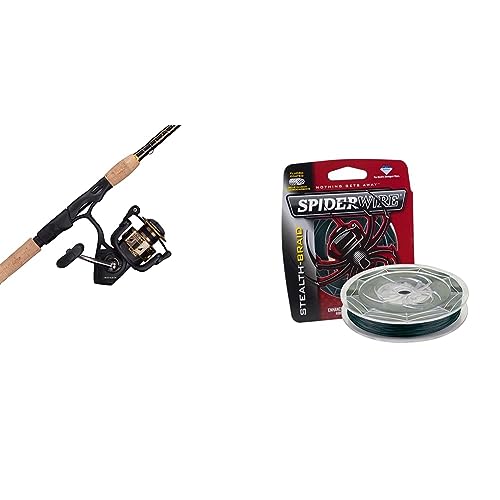 Penn Battle III Spinning Combo
 Pflueger President Spinning Combo
 Daiwa BG Saltwater Spinning Combo
Product images and titles from Amazon. As an Amazon Associate we earn from qualifying purchases.
Quick Picks by Budget and Use
| Category | Pick | Size | Best For | Approx. Price |
|---|---|---|---|---|
| Best Overall | Shimano Stradic FL 2500 | 2500 | Bass, walleye, trout | ~$230–260 |
| Best for Saltwater | Daiwa BG MQ 4000 | 4000 | Inshore, redfish, stripers | ~$180–220 |
| Best Mid-Range | Penn Battle III 3000 | 3000 | Bass, inshore, multi-species | ~$120–145 |
| Best Budget | Pflueger President size 30 | 30 | Trout, panfish, light bass | ~$55–70 |
| Best Beginner Combo | Ugly Stik GX2 Combo | Medium | All-around freshwater | ~$50–70 |
| Best Value Combo | Penn Battle III Combo | 3000 | Bass, inshore fishing | ~$130–165 |
| Lightweight Combo | Pflueger President Combo | 30 | Trout, crappie, panfish | ~$65–85 |
| Saltwater Combo | Daiwa BG Saltwater Combo | 4000 | Inshore, redfish, flounder | ~$120–150 |
Best Standalone Spinning Reels
Shimano Stradic FL 2500
The Stradic FL is the standard against which other freshwater spinning reels are measured in its price range. The Micro Module II gear system runs nearly silent and produces a smooth retrieve that does not degrade over time the way budget reels do. The Hagane gear is forged, not die-cast, which means it holds its tolerances under sustained pressure. G Free Body shifts the rotor balance closer to the blank, reducing tip vibration during long days of casting. For anglers who drop-shot, finesse-jig, or cast light crankbaits, the smooth drag and precise retrieve are immediately noticeable.
Recommended size: 2500 for bass and walleye; 1000 or 2000 for trout and panfish; 3000 to 4000 for pike or light inshore work. Larger sizes are available on Amazon.
Pros
- Silky Micro Module II retrieve
- Forged Hagane gear lasts for years
- Lightweight for its price class
- X Protect splash resistance
Cons
- $230–260 is out of beginner range
- Not a true saltwater reel for heavy inshore
- Bail spring can fatigue after heavy use
Daiwa BG MQ 4000
The BG MQ replaced the original BG with a one-piece Monocoque aluminum body that is lighter, stiffer, and accommodates a 20 to 40 percent larger main gear. That bigger gear translates to more cranking torque against a running redfish or striper without adding overall reel weight. The Air Rotor design cuts rotor mass for better balance at the rod blank. The BG MQ handles tough saltwater environments better than graphite-body reels at this price, and it is fully usable for freshwater as well: the 3000 and 4000 sizes work well for pike, muskie, and walleye trolling.
For very large saltwater species, the 6000 and 8000 sizes handle grouper and snook with ease.
Pros
- Monocoque body is stronger than split frame
- 20–40% larger gear than original BG
- Air Rotor reduces rotational weight
- Built for extended saltwater use
Cons
- Heavier than comparable Shimano at the same size
- Rotor knob can loosen on aggressive jigging
- Not available in sizes below 2500
Penn Battle III 3000
The Penn Battle III punches above its price at $120 to $145. The full-metal body and side plate, HT-100 carbon fiber drag washers, and CNC gear construction are uncommon features at this price. Five ball bearings is modest compared to same-price competitors, but Penn's bearing quality is consistent and the sealed body keeps out sand and salt. For inshore anglers who fish multiple days without rinsing gear, the Battle III holds up better than resin-body alternatives. On the freshwater side, it is an excellent choice for bass, walleye, and pike where durability and drag range matter. The 3000 delivers 24 lb max drag.
For larger saltwater applications, the 5000 and 6000 sizes add line capacity for bluefish and cobia.
Pros
- Full metal body and side plate
- HT-100 carbon drag handles heat
- 24 lb max drag on the 3000
- Good price-to-durability ratio
Cons
- 5 bearings lags some competitors at this price
- Heavier than graphite-body alternatives
- Retrieve not as smooth as the Shimano Stradic
Pflueger President Size 30
The President has been the benchmark for budget spinning reels for over a decade. At $55 to $70, it delivers 10 ball bearings, a sealed drag system, and a machined aluminum spool for long casts with light line. The graphite body is lightweight, which matters for trout and panfish anglers holding the rod for hours. The instant anti-reverse bearing eliminates backplay that cheaper reels show on the hookset. For a first quality reel or a dedicated ultralight setup, the President is the value pick at this price. Size 30 suits trout, crappie, and light bass. Step up to a size 35 for walleye and heavier bass applications.
Pros
- 10 ball bearings at a budget price
- Sealed oil-felt drag is smooth and consistent
- Lightweight graphite body
- Instant anti-reverse for clean hooksets
Cons
- Graphite body less durable under heavy saltwater use
- Not rated for saltwater
- Bail wire is thinner than premium reels
Best Rod-Reel Combos for Beginners
Buying a rod-reel combo instead of assembling components separately saves money, guarantees the rod and reel are weight-balanced for each other, and removes the guesswork of matching parts. These four combos cover every freshwater situation for beginners and casual anglers.
Ugly Stik GX2 Spinning Combo
The Ugly Stik GX2 is the most popular entry-level fishing combo in North America. The rod blank is a mix of graphite and fiberglass, which makes it nearly impossible to break through normal fishing use. The reel holds monofilament line well and has a simple bail mechanism that does not jam. For a first fishing setup or a kids' combo, the GX2 is the straightforward answer: it catches fish, it survives abuse, and it costs under $70. Pair it with 8 lb monofilament and a pack of soft plastics and it will handle bass, walleye, and most panfish species without issue.
Pros
- Nearly indestructible rod blank
- Under $70 for a complete rod-reel setup
- 1-year manufacturer warranty
- Good for kids and beginners
Cons
- Reel quality is entry-level, not built for seasons of heavy use
- Heavier than graphite-only rods
- Limited feel for finesse presentations
Penn Battle III Spinning Combo
The Penn Battle III Combo bundles the same full-metal reel body from the standalone version with a Penn rod, saving about $30 over buying them separately. The combo is targeted at bass and inshore anglers who want durability without a premium price. The 3000 size handles 10 to 20 lb braid, which is the correct line for most inshore and bass applications. This is the best combo for anyone moving from a beginner setup to a durable, long-term fishing system. It handles real inshore conditions, including brackish water and persistent sand, better than most combos at this price.
Pros
- Full-metal reel body in a combo package
- Matched rod and reel weight for good balance
- Handles inshore saltwater conditions
- Saves over buying reel and rod separately
Cons
- Heavier than graphite-only combos
- $130–165 is mid-range, not budget
Pflueger President Spinning Combo
The Pflueger President Combo is the right choice for trout, crappie, and light bass fishing where a lightweight, responsive setup matters more than raw power. The graphite rod transmits light bites clearly, and the President reel handles 4 to 8 lb monofilament with a smooth drag that prevents snapping light tippet on a hard-fighting crappie or brook trout. This is the best combo for stream fishing, farm ponds, and panfish situations. It also works as a dedicated finesse combo for bass anglers who drop-shot or fish small jigs around brush piles.
Pros
- Lightweight, great for trout and panfish
- 10-bearing President reel included
- Sensitive graphite rod for light bites
- Good for drop-shot finesse bass fishing
Cons
- Not rated for saltwater use
- Too light for pike, muskie, or heavy saltwater
Daiwa BG Saltwater Spinning Combo
The Daiwa BG Saltwater Combo pairs a BG reel with a rod designed for inshore use. The BG body is aluminum, not graphite, which matters in saltwater where resin bodies corrode faster. At 7 feet and medium-heavy power, the rod handles redfish, flounder, and inshore stripers on 15 to 20 lb braid. The combo ships spooled-ready; add braid or mono and it fishes the same day. This is the entry point for anglers stepping from freshwater to inshore saltwater for the first time.
Pros
- Aluminum reel body for saltwater durability
- Medium-heavy rod handles inshore species
- Better saltwater resistance than graphite combos
- Ready for braid or heavy mono
Cons
- Too heavy for light freshwater trout or panfish
- BG reel is the prior generation, not the BG MQ
How to Choose a Spinning Reel
Reel Size
Spinning reel sizes (1000, 2500, 3000, 4000, etc.) refer to the reel body and spool capacity. Larger numbers mean more line capacity and a physically larger reel body. Match the reel size to the line weight your target species requires:
- 1000–2000: Ultralight trout, panfish, small stream fishing on 4–6 lb mono
- 2500–3000: Bass, walleye, pike on 8–14 lb mono or 10–20 lb braid
- 4000–5000: Inshore saltwater, larger freshwater species, heavier braid
- 6000+: Offshore, heavy surf, large pelagic species
Mismatching reel size and line weight causes problems in both directions: a 1000 reel spooled with 20 lb braid loses casting distance, while a 5000 reel on 6 lb mono is physically awkward and overweights the rod tip.
Gear Ratio
Gear ratio describes how many times the bail rotates per handle turn. A 5.3:1 ratio produces 5.3 rotations per turn. Higher ratios retrieve faster; lower ratios produce more cranking power. For general freshwater fishing, a 5.0:1 to 5.5:1 ratio is the right range. For burning fast reaction baits like topwater lures, a 6.0:1+ is useful. For slow deep jigging, a 4.6:1 delivers more torque.
Drag System
Front-drag reels (the standard on quality spinning reels) are smoother and more powerful than rear-drag systems. Look for carbon fiber or felt drag washers rather than rubber, which can stick and surge. Set your drag to about one-quarter of your line's breaking strength for most freshwater fishing, and test it by pulling line before you fish.
Best Line for Your Spinning Reel
The line type you spool affects casting distance, sensitivity, stretch, and how the reel handles the line. Full line coverage is in the fishing line guide; the short version:
- Monofilament: Forgiving, good for beginners, works well in cold water. 8 lb mono is the right starting point for bass and walleye on a 2500–3000 reel.
- Fluorocarbon: Low visibility, near-zero stretch, sinks faster than mono. 10 lb fluorocarbon on a 2500 is the standard for finesse bass fishing.
- Braided line: Maximum sensitivity and casting distance, no stretch. 20 lb braid on a 3000 reel covers most bass and inshore situations.
To pair your reel with the right rod, see medium spinning rods for bass and walleye, or ultralight spinning rods for trout and panfish. Annual reel maintenance requires a small bottle of reel oil and grease to keep bearings and gears running smoothly.
FAQ: Spinning Reels
What size spinning reel is best for bass fishing?
A 2500 to 3000 size reel is the most versatile for largemouth and smallmouth bass. The 2500 handles lighter presentations on 6 to 10 lb monofilament or 8 to 15 lb braid. The 3000 adds line capacity for heavier cover and longer casts. For heavy vegetation or large swimbaits, step up to a 4000. Most bass anglers keep a 2500 and a 3000 spooled for different situations.
What is the best gear ratio for a spinning reel?
A 5.0:1 to 5.5:1 gear ratio is the standard for general freshwater fishing. It retrieves line fast enough for most presentations without sacrificing cranking power. A 6.0:1 or higher ratio works well for burning topwater lures or picking up slack quickly on hooksets. Slower ratios (4.6:1 to 5.0:1) suit deep jigging and slow-rolling swimbaits. For beginners, a mid-range 5.2:1 to 5.3:1 covers most situations.
How much drag do I need on a spinning reel?
Match your max drag to your line: about 25 to 30 percent of breaking strength for most freshwater species. For bass on 10 lb mono, 8 to 12 lb max drag is sufficient. For walleye and panfish on 6 lb line, 6 to 8 lb drag is plenty. Inshore saltwater fishing for redfish or striped bass requires 15 to 25 lb max drag. Smooth, consistent drag at the setting you actually use matters more than the headline maximum.
Should I use a spinning reel or a baitcasting reel for bass?
Both work for bass, but each suits different presentations. Spinning reels handle light lines and finesse techniques best: drop-shot rigs, small jigs, light plastics, and situations where casting distance with lighter lures matters. Baitcasting reels excel at heavier cover and power presentations: punching grass mats, flipping jigs, throwing heavy swimbaits, and using 15 to 25 lb fluorocarbon. Most experienced bass anglers use both on the same day, matching the tool to the technique.
How do I maintain a spinning reel?
After every saltwater outing, rinse with fresh water and let it dry before storage. Annually, apply a drop of reel oil to each bearing, a thin coat of grease to the main gear, and oil to the line roller at the bail. Avoid over-oiling, which attracts dirt and grit. Store reels with the drag loosened to relieve pressure on the drag washers. Re-spool when you feel kinks or flat spots in the line.