Home › Blog › Best Bass Lures 2026
Best Bass Lures 2026: Soft Plastics, Topwater, Crankbaits & Jigs for Largemouth & Smallmouth
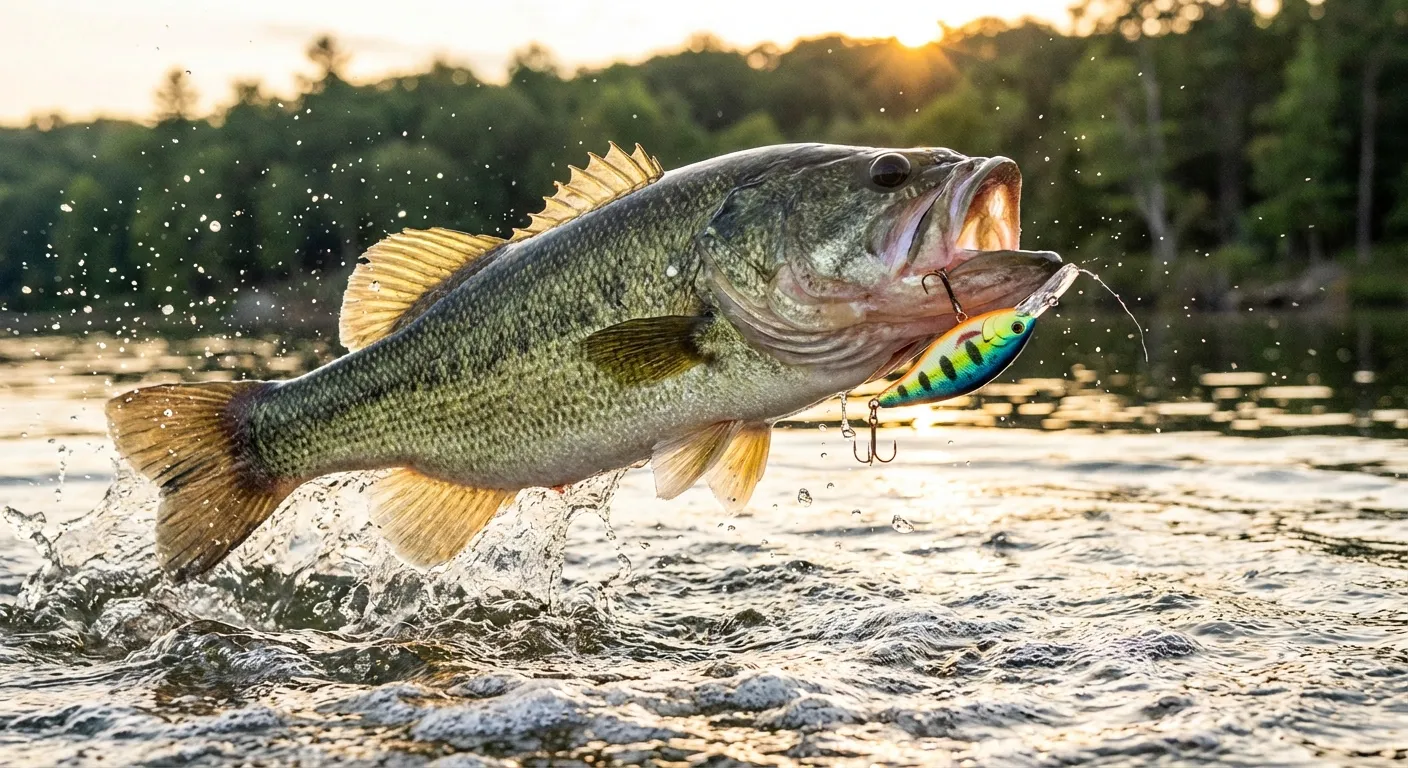
Bass fishing has more lure categories than any other freshwater fishery, and that variety is intentional. Bass are ambush predators that change behavior by season, water temperature, water clarity, and time of day. A morning topwater bite at 67°F in July is a completely different presentation than a winter finesse bite on the same lake in January at 48°F.
This guide is organized by technique, not brand. Each section covers when to use it, what to buy, and what to rig it with. For a quick answer, jump to quick picks.
At a Glance
 Booyah Pad Crasher Topwater Bass Frog
 Yamamoto 5" Senko Green Pumpkin (10 Pack)
 Rapala Down Deep Husky Jerk Jerkbait
 Rapala Shad Rap 05
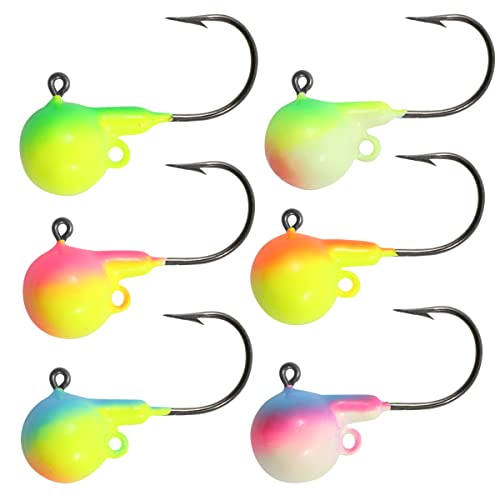 Northland Tackle Fire-Ball Jig
 Heddon Sonar Blade Bait Chrome
Product images and titles from Amazon. As an Amazon Associate we earn from qualifying purchases.
Quick Picks by Technique
| Technique | Best Pick | Why | Price |
|---|---|---|---|
| Soft plastic (all-around) | Yamamoto Senko 5" | Catches bass every season on any rig | $9–12/10pk |
| Soft plastic (finesse) | Yamamoto Senko 4" | Drop-shot, wacky, lighter cover | $8–11/10pk |
| Topwater frog | Booyah Pad Crasher | Best hollow-body frog over matted grass | $8–11 |
| Shallow crankbait | Rapala Shad Rap (I own this one; it has earned its spot.) | Classic balsa action that pressured bass still eat | $9–12 |
| Deep crankbait | Bandit Deep Diver (I own this one; it has earned its spot.) | Hits 20+ ft, great for summer suspending bass | $8–11 |
| Jerkbait | Rapala Down Deep Husky Jerk | Suspending action, rattle, cold and post-front bite | $9–12 |
| Jig | Northland Fire-Ball | Versatile ball-head, works with trailers and live bait | $4–6/pack |
| Blade bait (cold water) | Heddon Sonar | Vibrates through cold water, triggers reaction strikes | $5–7 |
Soft Plastics
No category has produced more largemouth and smallmouth bass than soft plastics, and no soft plastic has produced more bass than the Yamamoto Senko. It is fished by beginners, fishing guides, and tournament pros, often on the same water the same day. The reason is simple: the flat, salt-impregnated plastic sinks with a fall that bass cannot ignore.
Yamamoto 5” Senko (Green Pumpkin)
The Senko has been the most-copied soft plastic in bass fishing history since Gary Yamamoto introduced it in the 1990s. The original is still better than the copies because the salt loading density and plastic compound density are dialed in to produce a specific fall rate: slow enough to stay in the strike zone, fast enough to stay ahead of novice fish. Green pumpkin is the default color for clear to lightly stained water on any lake with natural vegetation, and it consistently outfishes more imitative colors on pressured fish.
Rig it wacky (hooked through the center) for docks and shallow cover, Texas-rigged (1/0 to 2/0 EWG hook, light or no weight) for grass and laydowns, or on a drop-shot for 15+ ft of water. Carry a bag of wacky O-rings to extend the life of each bait from 1 to 2 casts to 4 to 5.
Pros
- Works on every rig: wacky, Texas, drop-shot, Neko
- Catches largemouth and smallmouth
- Effective in all seasons and water temperatures
- Green pumpkin works everywhere
Cons
- Expensive per bait compared to copies (worth it)
- Wacky rigging tears them quickly without O-rings
Yamamoto Senko 4” (Watermelon)
The 4-inch Senko is the downsized version for clear water, post-front conditions, and heavily fished lakes where bass have seen every large bait in the catalog. Watermelon is the cold-water and ultra-clear-water color: subtle enough that cautious fish commit, bright enough for bass to find it. Drop-shot a 4-inch Senko at 15 to 20 ft on a No. 1 or No. 2 hook and you have the highest-percentage cold-water bass presentation in the game.
It also excels wacky-rigged around finesse structure: small docks, sparse weed clumps, rocky points. When fish are negative and the 5-inch bait gets ignored, downsize to the 4-inch before switching presentations entirely.
Pros
- Ideal for pressured fish and cold water
- Finesse size triggers negative bass
- Same fall action as the 5-inch at a smaller profile
Cons
- Less effective at distance casting due to lighter weight
For soft-plastic craws and creature baits, a Zoom Brush Hog flipped into heavy cover is the standard choice: the appendages create water displacement that bass feel from a distance. Pair it with a 3/8 to 1 oz tungsten weight and a 3/0 to 5/0 hook depending on cover density.
Topwater
Bass attacking topwater lures is the loudest, most visual strike in freshwater fishing. Early mornings from May through September are prime topwater time: bass hold shallow overnight, water temperature is at its lowest, and the surface is calm enough for bass to key on surface disturbance. Matted vegetation, lily pad fields, and shallow points are the primary targets.
Booyah Pad Crasher
A hollow-body frog is the only lure that can be fished across, over, and through matted surface vegetation without fouling. The Pad Crasher has a soft plastic body that collapses when a bass bites so the two upturned hooks drive home through the body into the fish, a design that took decades to perfect. Walk it across open pads, pop it through grass gaps, and pause it over shadowed pockets. Bites come as an explosion, and you pause before setting the hook hard to make sure the bass has turned down with the bait.
Bread-and-butter colors are white, black, and frog (olive green). Fish it on 50 to 65 lb braided line tied directly to the frog, no leader. The braid cuts through grass as the fish runs.
Pros
- The only option in thick surface vegetation
- Hookup rate has improved over earlier hollow-body designs
- Durable enough for repeated hard casts into cover
Cons
- Misses on the initial blow-up are common; wait before setting
- Less effective in open water than over cover
For open-water topwater, a walking bait fished with a rhythmic rod-tip-down twitch that makes it walk side to side is the most versatile choice. A Heddon Zara Spook is the classic, and the only reason more modern walking baits outsell it is they are easier to learn to walk.
Crankbaits
Crankbaits are covering lures: they move fast, trigger reaction strikes, and let you check water depth and fish activity across a large area. The bill length determines running depth. Shallow divers (flat or short bill) stay in the top 3 to 8 ft, mid-divers reach 8 to 15 ft, and deep-divers with long bills or square bills probe 15 to 25+ ft on long casts.
Rapala Shad Rap
The Shad Rap is a balsa wood crankbait that has been catching bass since the 1980s because balsa provides a subtlety of action that plastic bodies at the same price cannot match. On a steady retrieve it has a tight, minnow-like wiggle that bass on clear lakes, where they have seen every loud rattling plastic crank imaginable, still eat. Cast it along weed edges, rocky points, and riprap banks in 4 to 10 ft of water and work it with a variable-speed retrieve so it occasionally pauses and rises.
Size 5 covers most bass water. Crawdad, perch, and silver/black are the natural colors that earn bites in clear conditions. For stained water, upgrade to a louder chartreuse or fire tiger pattern.
Pros
- Balsa action still catches pressured bass on heavily-fished lakes
- Casts and trolls equally well from kayak to bass boat
- Available in the widest range of proven natural colors
Cons
- Balsa chips and dents on rocks more than plastic-bodied cranks
- Lighter weight makes long casts into wind harder
Bandit Deep Diver
From late June through August, largemouth bass on most lakes push out to 15 to 25 ft of water during the heat of the day, suspending near the thermocline over deep structure. A long-bill deep-diver is the fastest way to find and catch them. The Bandit reaches 20+ ft on a long cast without added weight, bumps bottom to trigger reaction bites, and tracks true at a range of speeds. Chrome, shad, and chrome purple are the summer colors that produce on most lakes with clear to light stain.
The same lure that catches walleye on Great Lakes trolling spreads performs equally on an offshore ledge in July. Fish it on a cranking rod (7’ to 7’6” medium-heavy with a fast tip) on 10 to 12 lb fluorocarbon and crank it down to the bottom, then slow down slightly to keep it deflecting off rocks.
Pros
- Reaches 20+ ft without lead core or sinkers
- Deflects off bottom rock and wood to trigger strikes
- Runs at a range of trolling and casting speeds
Cons
- Overkill for shallow lakes under 15 ft deep
- Long bill snags badly in heavy timber or brush piles
Jerkbaits
Rapala Down Deep Husky Jerk
A suspending jerkbait is one of the most effective post-front and cold-water bass lures ever made. After a cold front moves through and bass go negative, a jerkbait that suspends motionless in the strike zone during a pause will get bites when nothing else will. The Down Deep Husky Jerk has an internal rattle, runs 8 to 12 ft deep on a 10 to 12 lb line, and holds its depth on the pause. The rhythm: two or three sharp twitches, then a 3 to 5 second pause. Repeat.
Smallmouth bass in clear lakes are particularly vulnerable to jerkbait fishing from late winter through early spring when water temps are in the 45 to 55°F range. Silver, clown, gold/black, and perch are the top bass colors. Check the labeling on the package: the "bass, walleye, and pike" designation confirms this is not a single-species lure.
Pros
- Suspending pause catches post-front bass nothing else will
- Internal rattle draws fish in stained water
- Runs 8–12 ft without added weight
Cons
- Less effective at warm-water trolling speeds than a crankbait
- Three exposed trebles snag heavily in wood or grass
Jigs and Trailers
A jig is the highest-percentage lure for big bass. The five largest bass in any lake are almost always caught more often on a jig than on any other lure. It is also the presentation with the steepest learning curve: jig fishing requires slow, methodical movement, sensitivity to subtle bites, and patience that fast-moving presentations do not demand.
Northland Fire-Ball Jig
The Fire-Ball is a short-shank, wide-gap ball-head jig that is equally effective for finesse bass as it is for live-bait presentations. Paired with a soft plastic craw trailer, it covers rock piles, dock pilings, and laydowns. Paired with a live crawdad or half a nightcrawler, it is a go-to for rivers and lakes where bass are holding deep on current breaks.
Stock 1/4 oz as the everyday size for most bass water, 3/8 oz for deeper water or casting into wind, and 1/8 oz for extremely shallow flats or super-finesse presentations. For trailers, a 3-inch chunk craw trailer in green pumpkin or black-blue adds bulk and a kicking action on the fall that triggers strikes from inactive fish.
Pros
- Short-shank hook excels with live bait or soft plastic trailers
- Inexpensive enough to fish around snag-heavy cover without hesitation
- Compact head fishes vertically as well as it casts
Cons
- Ball head snags more often than flat or stand-up styles in rock
For bladed jigs, a Z-Man ChatterBait is the most productive covering lure in bass fishing when fish are in 5 to 15 ft of water around grass, rocks, or scattered wood. It vibrates differently from a spinnerbait, crashes through sparse grass rather than fouling on it, and triggers bites from bass that are actively feeding but not fully committed. Pair it with a paddle-tail swimbait trailer.
Blade Baits
Heddon Sonar
Blade baits are the most underused bass lures in the tackle box and the most effective lures for largemouth and smallmouth when water temperatures drop below 50°F. The Sonar vibrates hard on the lift and flutters down on a semi-slack line, imitating dying shad in late autumn and early spring when bass key heavily on injured baitfish. Rip it off the bottom in 15 to 30 ft of water, let it fall, and set the hook when the line tightens on the fall.
This is a legitimate four-season bass lure on deep-water lakes: largemouth in November, smallmouth in March, and any time summer bass have pushed out to deep suspended schools following shad. The 3/4 oz version casts farther and sinks faster for deep water; the 1/2 oz is the general bass-lake standard. Three line-tie eyelets let you tune it from tight vibration to a wider, slower flutter.
Pros
- Deadly in cold water when most bass presentations slow down
- Casts a long way and sinks fast to reach deep fish
- Under $7
Cons
- Treble hooks tangle line on aggressive snaps
- Less effective in warm water when bass are shallow
How to Choose: Match the Lure to the Calendar
- Late winter to ice-out (40–52°F): Blade baits and suspending jerkbaits on deep structure. Bass are slow, presentations must be slow. A 5-second pause on a jerkbait is not too long. Check the solunar forecast for the best feeding windows of the day before leaving the house.
- Prespawn (52–62°F): The best bass fishing of the year. Senkos and jigs near the first deep structure adjacent to spawning flats, then crankbaits and swimbaits on the transition.
- Spawn (62–72°F): Senkos, creature baits, and small swimbaits near visible beds. Texas-rig on fluorocarbon so the lure falls slowly and stays in the bed after the bass removes it.
- Postspawn through summer (65–85°F): Morning topwater on shallow cover, then follow bass to deeper structure with deep-diving cranks and jigs as the day heats up. Check lake maps on the fish finder for offshore humps and points where summer fish park.
- Fall (55–65°F): Bass chase shad into the shallows. Spinnerbaits, swimbaits, and crankbaits in the backs of coves. Aggressive feeding before the cold.
- Late fall to early winter (below 55°F): Back to blade baits and slow jig presentations. The biggest fish of the year eat in November and December.
Terminal Tackle and Accessories
- 12–17 lb fluorocarbon for crankbaits, jerkbaits, and jigs. Fluoro is nearly invisible, sinks faster than mono, and transmits more sensitivity than either. Non-negotiable on clear lakes.
- 40–65 lb braid for frogs and flipping into thick cover. Zero stretch means instant hooksets; the thinner diameter cuts through heavy vegetation.
- 3/0 EWG wide-gap hooks for Texas-rigging Senkos and creature baits. Wide gap closes the distance between hook point and bait so fewer fish are missed on the set.
- Needle-nose pliers for unhooking bass safely, especially from treble-hooked crankbaits and jerkbaits. A jaw spreader makes deep-hook removal fast without injuring the fish.
- Tungsten bullet weights for Texas rigs and punch rigs. Tungsten is denser than lead, so a smaller 1/4 oz tungsten weight falls faster and feels better than a 3/8 oz lead weight of the same size. The sensitivity difference on rock and gravel is real.
- Replacement treble hooks for crankbaits and jerkbaits. Factory hooks on mid-price cranks are often mediocre. Upgrading to a quality short-shank treble improves hookup rates noticeably.
Frequently Asked Questions
What is the best all-around bass lure?
The Yamamoto Senko in green pumpkin or watermelon is the closest thing bass fishing has to an all-purpose answer. It works weightless in shallow cover, on a drop-shot rig in deep water, wacky-rigged around docks, and Texas-rigged in thick grass. If you could only carry one lure, make it a 4 or 5-inch Senko.
What is the best bass lure for beginners?
Start with a 4-inch Senko on a wacky rig: hook it through the middle, cast it near any visible cover, let it sink on a semi-slack line, and set the hook when the line moves sideways or tightens unexpectedly. Second pick: a spinnerbait on a steady retrieve along weed edges. Nearly snag-proof and the blade flash triggers reaction bites.
What bass lures work best in summer heat?
In summer, bass split. Some hold shallow at dawn and dusk for topwater, others go deep to find cooler water near structure. For the morning bite, a hollow-body frog over matted grass or a walking bait. By midday, a deep-diving crankbait or drop-shot at 15 to 25 ft is where the fish are.
How do you fish a Senko worm?
The most effective rig is wacky: hook it through the center on a 1/0 to 2/0 wide-gap hook with no weight. Cast near cover and let it sink on a slack line. The two ends flutter down alternately, imitating a dying baitfish. When the line twitches or goes slack unexpectedly, set the hook. Add wacky O-rings to protect the soft plastic and get 4 to 5 casts per bait instead of 1 to 2.
What is the best bass lure for muddy water?
In muddy water, bass rely on their lateral line more than their eyes. A chartreuse or white spinnerbait with a large Colorado blade, a rattle trap or lipless crankbait, or a bladed jig (Z-Man ChatterBait) with a curly-tail trailer all move enough water to be felt. Stay away from finesse presentations and natural translucent colors in dirty water.
Related Fishing Guides
- Best Fish Finders 2026: Tested for Kayak, Bass Boat & Ice Fishing
- Best Fishing Rod & Reel Combos 2026: Spinning, Baitcasting & More
- Best Baitcasting Reels 2026: Picks for Every Budget
- Best Fishing Kayaks 2026: Top Picks for Every Angler & Budget
- Solunar Fishing Forecast: Best Times to Fish by Moon Phase