Home › Blog › Best Fishing Kayaks 2026
Best Fishing Kayaks 2026: Top Picks for Every Angler & Budget
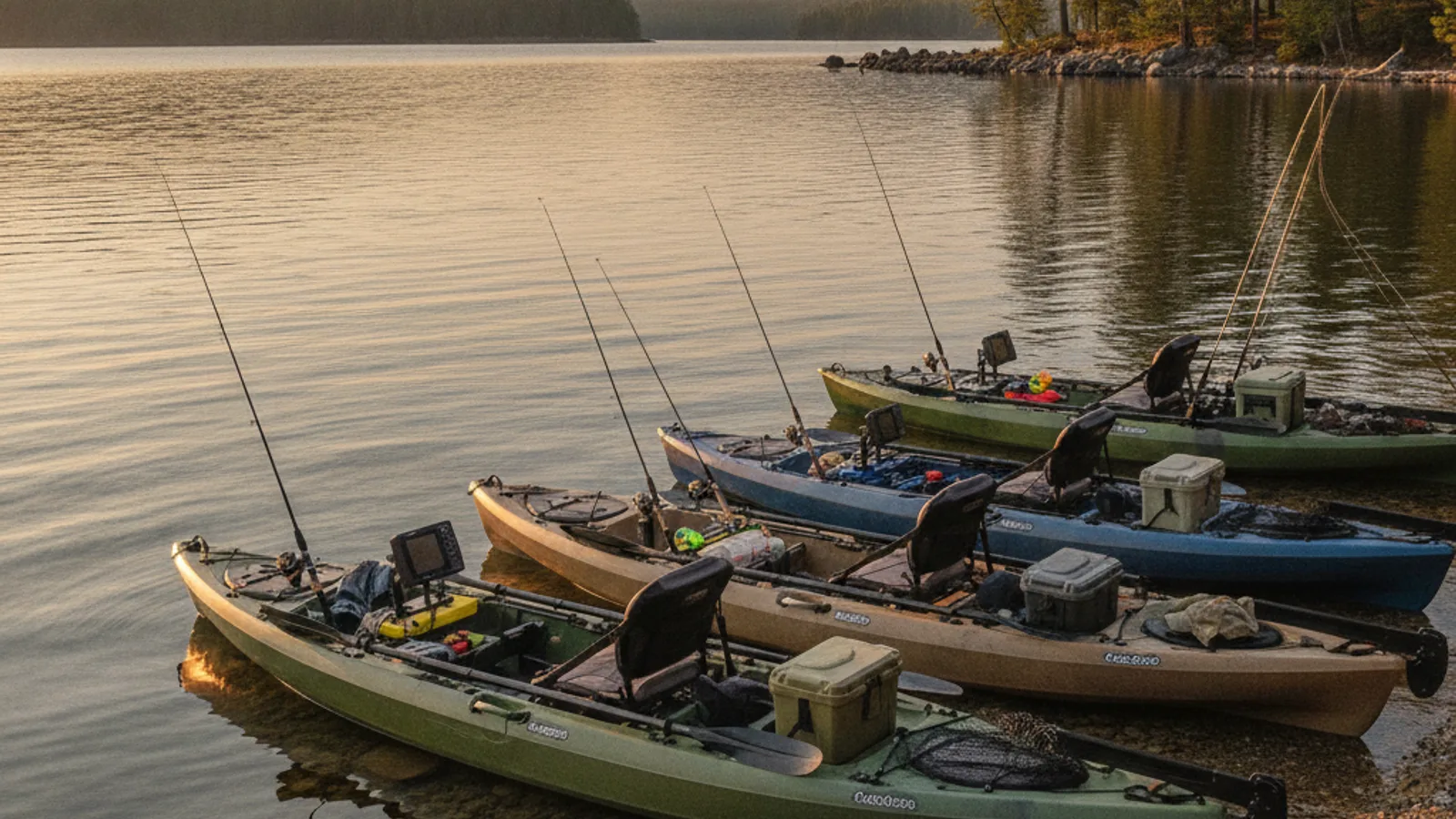
Fishing kayaks have exploded in variety over the past five years, pedal drives, motorized options, stand-up platforms, and inflatable go-anywhere rigs that fit in a trunk. The market is genuinely good right now. But that also means the wrong choice is easy to make.
This guide organizes picks by fishing style and budget, not just price. If you want a quick answer: jump to quick picks.
At a Glance
 Perception Pescador Pro 12 | Sit on Top Fishing Kayak...
 Pelican Catch Mode 110 Kayak
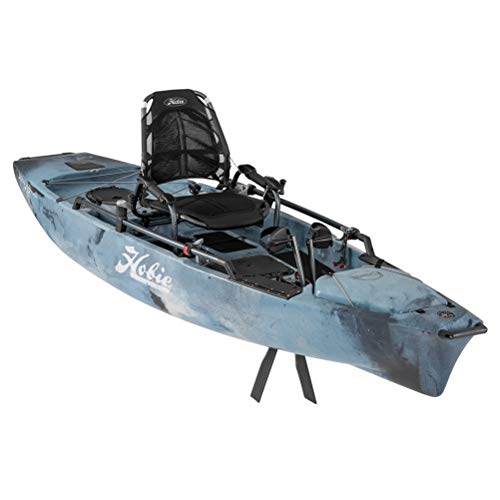 Hobie 2020 Mirage Pro Angler 12 with 360 Drive
 Old Town Topwater 106 PDL Angler Fishing Kayak
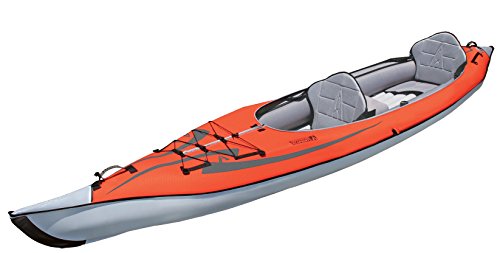 Advanced Elements AdvancedFrame Convertible Inflatable...
 Wilderness Systems A.T.A.K 140 | Sit on Top Fishing...
Product images and titles from Amazon. As an Amazon Associate we earn from qualifying purchases.
Quick Picks by Use Case
| Use case | Best Pick | Why | Price |
|---|---|---|---|
| Best overall | Perception Pescador Pro 12 | Stable, well-equipped, great value | $700–900 |
| Budget pick | Pelican Catch 110 HyDryve | Rod holders, gear tracks, under $500 | $400–500 |
| Pedal drive | Hobie Mirage Pro Angler 12 | Best hands-free fishing platform | $3,000–3,800 |
| Budget pedal drive | Old Town Topwater PDL | Pedal drive under $1,500 | $1,200–1,500 |
| Inflatable | Advanced Elements AdvancedFrame Convertible | Best inflatable for serious anglers | $800–1,100 |
| Heavy angler / tandem | Wilderness Systems ATAK 140 | 600 lb capacity, rugged platform | $1,400–1,800 |
| Stand-up platform | Vibe Sea Ghost 130 | Stable hull for standing casts | $750–1,000 |
Sit-on-Top Fishing Kayaks (Most Popular)
Sit-on-top kayaks dominate fishing for a reason: they’re self-draining, easy to re-enter after a capsize, and wide enough to cast from a standing position. The best ones have molded-in rod holders, gear tracks (for adding accessories), and dry-storage hatches that seal against spray.
Perception Pescador Pro 12
The Pescador Pro 12 is one of the most consistent recommendations across serious kayak fishing communities, and for good reason. It’s 12 feet long with a 375 lb capacity, has a padded seat with high backrest support, molded-in rod holders, two sealed bow and stern hatches, a large behind-seat tank well, and a full-length top deck with gear tracks. The hull is stable enough for confident standing by most anglers under 200 lbs.
At 64 lbs, it’s manageable to car-top solo if you’re not going over 100 lbs yourself. The propulsion is paddle-only, but at this price point you won’t find a more complete fishing platform.
Pros
- Excellent primary stability for casting
- Well-designed gear tracks accept RAM mounts
- Comfortable padded seat for all-day sits
- Dual hatches keep tackle dry
Cons
- 64 lbs, not the lightest in class
- No built-in fish finder mounting point
- Standing challenging for anglers over 220 lbs
Pelican Catch 110 HyDryve
For under $500, the Pelican Catch 110 packs in molded-in rod holders, a dry storage hatch, a center console with paddle holder, and a stable 32-inch-wide hull. It’s 11 feet long and weighs 57 lbs, one of the lighter fishing kayaks in its class. Capacity is 325 lbs.
It won’t have the seat comfort or gear track versatility of the Pescador Pro, but for first-time fishing kayakers or anglers who want a lake-fishing rig under $500, it covers all the basics.
Pros
- Under $500, hardest to beat at this price
- Lighter than most (57 lbs)
- Good primary stability for calm water
Cons
- Seat comfort drops off after 3–4 hours
- Limited gear track coverage vs. premium models
Vibe Sea Ghost 130
The Sea Ghost 130 is 13 feet long with a 550 lb capacity and an exceptionally wide, flat hull that handles standing for most adult anglers. It ships with a Hero seat (comparable to premium aftermarket seats), two flush-mount rod holders, two gear tracks, a bow hatch, and a large stern tankwell. The seat is fully removable for a cleaner platform stance.
Vibe’s hull geometry is specifically designed for standing stability, the secondary stability catches you before you’re in the water. For bass anglers who want to sight-fish from a standing position without jumping to a pedal drive, this is the top value option.
Pros
- Best-in-class standing stability under $1,000
- 550 lb capacity handles large anglers with gear
- Hero seat rivals $200+ aftermarket upgrades
Cons
- 82 lbs, requires two people or a cart to transport
- Slower than narrower hulls of same length
Pedal Drive Fishing Kayaks
Pedal kayaks are the single biggest leap forward in kayak fishing in the past decade. Both hands stay free the entire time, you’re propelling with your legs while casting, reeling, and landing fish. They hold position against wind and current better than any paddle kayak. The tradeoffs: heavier (75–100 lbs), more expensive ($1,200+), and the drive system adds complexity in shallow water and around weeds.
Hobie Mirage Pro Angler 12
The Pro Angler 12 is the standard by which every other pedal fishing kayak is measured. Hobie’s MirageDrive 360 system (standard since 2021) lets you go forward, backward, and turn in place using a steering bar, you’ll hold position on a shallow flat in a 10-mph wind without touching a paddle. The hull is 36 inches wide with a 600 lb capacity; standing is genuinely comfortable for anglers up to 250+ lbs.
Standard equipment includes 4 rod holders, a Vantage CT seat, multiple gear tracks, an 8-gallon FRONTLOADER bow hatch with removable tackle crate, and a stern tankwell rated for 100 lbs of gear. The hull is specifically designed to accept a fish finder transducer arm without modification.
Pros
- MirageDrive 360 is the best hands-free propulsion system in class
- 600 lb capacity, 36” wide hull, rock-solid stability
- Integrated gear management beats every competitor
- Hobie dealer network for service and parts
Cons
- $3,000–3,800, significant investment
- 88 lbs, requires a trailer or two people
- Drive system catches weeds in shallow water
Old Town Topwater PDL
Old Town entered the pedal market with a genuinely good entry-level system. The Topwater PDL uses a propeller-based pedal drive that handles reversing better than fin-based systems in weeds, the prop can reverse on demand. The kayak is 11 feet long, 34 inches wide, and weighs 74 lbs. Capacity is 450 lbs.
It comes with two flush-mount rod holders, gear tracks, and an elevated seat. At $1,200–1,500, it’s the entry point to serious pedal fishing without the Hobie price tag. The PDL system is well-regarded for reliability and doesn’t require seasonal servicing like Hobie’s MirageDrive.
Pros
- Propeller drive handles weeds and reversing better
- $1,200–1,500 vs $3,000+ for Hobie
- 450 lb capacity, suitable for large anglers with gear
Cons
- Shorter at 11 ft, less efficient on big water
- No 360-degree steering (point-and-go only)
Native Watercraft Slayer Propel Max 12.5
Native’s Propel system uses an angled propeller that can fold flat when in shallow water, making it the best pedal drive for rivers and skinny water. The Slayer Max has a 400 lb capacity, 34” beam, and an elevated seat platform that makes standing natural. The hull design is narrower than the Hobie Pro Angler, making it faster and more efficient for covering water.
If you fish both rivers and lakes and hate constantly removing the drive system, the folding prop design alone is worth considering Native over Hobie.
Check current price →Inflatable Fishing Kayaks
Modern drop-stitch inflatable fishing kayaks have closed the performance gap considerably with rigid hulls. The best ones track well, carry 400+ lbs of gear, and are genuinely fishable. The main advantage: they fit in a large duffel, store in a closet, and travel in a car without a roof rack. The tradeback: slower to set up (10–20 minutes), and they don’t handle sharp submerged rocks gracefully.
Advanced Elements AdvancedFrame Convertible
The AdvancedFrame Convertible is a 15-foot inflatable tandem (also paddleable solo) with aluminum rib panels in the bow and stern that give it real tracking ability, it behaves more like a rigid kayak than any pure PVC tube design. It’s rated for 550 lbs and accepts a spray skirt for cold-water use. Can be set up as sit-inside or sit-on-top.
For fishing, the sit-on-top configuration is better. Add a gear track mount along the rail to mount rod holders and a fish finder arm. It packs into a 36×24×8-inch bag and weighs 52 lbs.
Pros
- Tracks far better than tube-style inflatables
- Packs into a car trunk, no roof rack needed
- 550 lb capacity, handles two anglers
Cons
- 15–20 min setup each trip
- Not for rocky rivers or barnacle-covered docks
- Slower than rigid kayaks at the same length
Sea Eagle 370 Pro
A 12’2” inflatable with a 650 lb capacity and three adjustable kayak seats. At 32 lbs, it’s light enough to carry in a backpack. Holds up to two anglers, sets up in under 10 minutes, and tracks reasonably well with the included skegs. The I-beam floor construction gives it more rigidity than cheap pool inflatables.
Best for: anglers who want to fish remote ponds, wilderness lakes, or anywhere you’re hiking to your put-in. It’s not a performance kayak, but it floats you, holds gear, and gets the job done.
Check current price →Heavy-Duty & Large-Angler Fishing Kayaks
If you weigh over 250 lbs, need to bring significant gear, or want a kayak that can double as a platform for overnight fishing trips, you need a high-capacity hull. Most standard fishing kayaks are rated 350–400 lbs, which leaves almost no margin after a 250 lb angler plus tackle, a cooler, and safety gear.
Wilderness Systems ATAK 140
The ATAK 140 is a 14-foot platform built for serious load-carrying: 600 lb capacity, 38-inch beam, and enough deck space to set up a complete fishing platform. It comes with gear tracks along the full gunwale, four rod holders, a large bow hatch, a massive stern tank well, and Wilderness Systems’ AirPro high-back seat. The hull is stable enough to stand on at full load.
At 86 lbs and 14 feet, it needs a trailer or at least two people. But for big water, big loads, and big anglers, nothing in this price range competes.
Pros
- 600 lb capacity, genuinely handles large anglers with full gear
- 38” wide hull makes standing feel like solid ground
- Full gunwale gear tracks for unlimited customization
Cons
- 86 lbs and 14 ft, needs trailer or launch ramp
- $1,400–1,800, not a budget option
How to Choose: The Decision Framework
Five questions that cut through the noise:
- Where will you fish most? Rivers and small ponds = shorter (10–11 ft), more maneuverable. Large lakes and reservoirs = longer (12–14 ft) for tracking and speed. Coastal and inshore = high-capacity with salt-resistant hardware.
- Paddle or pedal? Pedal drives are best when fishing demands full use of both hands (jigging, casting, fighting fish). Paddle kayaks are better in shallow water and weedy areas where drives foul up. Budget anglers: start with paddle, upgrade later.
- What’s your real budget? Include the paddle (~$80–200 for a carbon fiber blade that won’t fatigue your shoulders), a properly-fitted PFD (~$60–120), a kayak cart (~$40–80), and transport straps or a roof rack (~$30–80). Budget another $150–250 on top of the kayak price.
- Do you want to stand? If sight-fishing or pitching docks from a standing position matters to you, you need 33”+ beam with a flat hull. Check the manufacturer’s stand-up rating specifically, many kayaks list stability without confirming stand-up capability.
- What will you mount? If you want a fish finder, camera, extra rod holders, or anchor trolley, buy a kayak with full-length gear tracks. Kayaks without tracks force you to drill the hull for aftermarket mounting, doable but not ideal.
Essential Accessories
- Carbon fiber kayak paddle, the most impactful upgrade if your kayak shipped with a plastic paddle. Carbon saves 1–2 lbs and dramatically reduces shoulder fatigue on long paddles.
- Fishing PFD (life jacket), required by law on open water in most states. A low-profile paddling PFD keeps you mobile for casting.
- Anchor trolley system, lets you set a small anchor and position the kayak sideways to current or wind without a pedal drive. Essential for river fishing or windy lake days.
- Fish finder RAM mount, for mounting a fish finder to gear tracks without drilling.
- Milk crate tackle system, fits in the stern tank well, holds 3–4 tackle trays and rod tips for a clean, organized cockpit.
- Waterproof dry bag, for phone, wallet, and anything that can’t get wet. A 10L roll-top bag fits in every hatch.
Frequently Asked Questions
What length fishing kayak is best?
12–13 ft is the most versatile range. Under 10 ft is more maneuverable in tight water but slower and less stable for standing. 14 ft+ tracks better over long distances, great for open water and large lakes, but is harder to transport and maneuver in rivers.
Sit-on-top vs sit-inside fishing kayak: which is better?
Sit-on-top kayaks dominate fishing because they’re self-draining, easier to re-enter if you capsize, and you can stand to cast. Sit-inside kayaks are faster and warmer in cold weather, but make standing nearly impossible. For most anglers, sit-on-top is the right choice.
Are pedal-drive fishing kayaks worth it?
For serious anglers, yes. Pedal drives leave both hands free for casting and fighting fish. They’re 30–50% faster than paddling and let you hold position against current or wind with minimal effort. The tradeoff is weight (75–90 lbs) and cost ($1,500+). If you fish moving water or shallow flats, a paddle kayak often works better.
What weight limit do I need for a fishing kayak?
Take the manufacturer’s capacity and subtract 30–40 lbs for gear, tackle, and a cooler. A kayak rated for 350 lbs comfortably carries a 280 lb angler with full gear. For large anglers or heavy gear loads, look for 400+ lb rated hulls.
Can you use a regular kayak for fishing?
Yes, but fishing-specific kayaks add features that matter: rod holders, gear tracks for mounting accessories, wider hulls for standing stability, and built-in tackle storage. A purpose-built fishing kayak in the $500–700 range makes the experience dramatically better than a recreational hull of the same price.