Kayak Fishing for Beginners: Gear, Safety & Getting Started
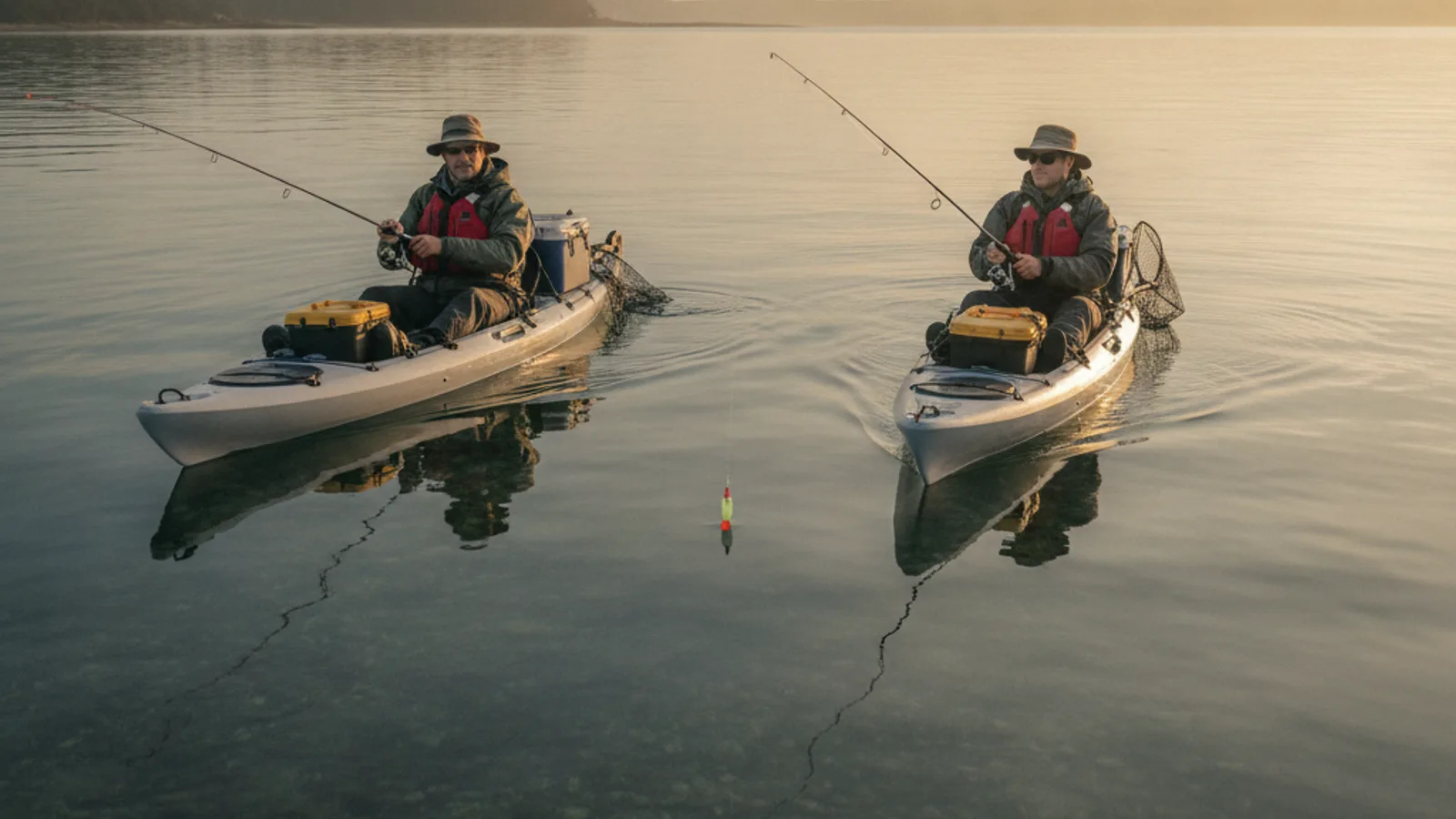
Kayak fishing combines two of the best outdoor activities into one incredible experience. You get access to water that boats can't reach, stealth that doesn't spook fish, and an intimate connection with the environment that no motorized vessel can match. If you've been thinking about getting into kayak fishing, here's everything you need to know.
Why Kayak Fishing?
Kayak fishing has exploded in popularity for good reasons:
- Access: Reach shallow flats, mangrove creeks, and skinny water that boats can't enter
- Cost: No boat payment, insurance, fuel, or marina fees. Launch for free from any shoreline.
- Stealth: Kayaks are silent, you can drift within casting distance of fish without spooking them
- Exercise: Paddle to your fishing spot and get a workout while having fun
- Simplicity: Load it on your car, drive to the water, and launch in minutes
- The fight: Fighting a fish from a kayak is an amplified experience, even a 20-inch redfish feels like a monster when it's dragging your boat around
Choosing Your First Fishing Kayak
Sit-on-Top vs Sit-Inside
Sit-on-top kayaks are the clear winner for fishing. They're more stable, self-draining (water runs off instead of pooling inside), easier to get on and off, and provide more usable deck space for tackle and rod holders. Sit-inside kayaks are better for cold-weather paddling but impractical for most fishing scenarios.
Size and Stability
For fishing, prioritize stability over speed. Look for kayaks that are:
- Length: 12-14 feet (good balance of stability, tracking, and maneuverability)
- Width (beam): 32-36 inches (wider = more stable for standing and casting)
- Weight capacity: At least 350-400 lbs to accommodate you, gear, and catch
Paddle vs Pedal Drive
Paddle kayaks ($300-800) are the budget-friendly option and perfectly capable fishing platforms. Pedal-drive kayaks ($1,500-4,000) use foot pedals to propel you, keeping your hands free for fishing. Pedal drives are a game-changer for covering water and maintaining position in current, but they cost significantly more.
Budget Start: Buy a quality used fishing kayak ($200-500) for your first season. You'll learn what features matter to you before investing in a premium setup. Check Facebook Marketplace, Craigslist, and kayak fishing forums for deals.
Essential Kayak Fishing Gear
Safety Gear (Non-Negotiable)
- PFD (life jacket): Wear it. Always. Get a kayak-specific PFD designed for sitting, they're shorter in the back for comfort. $50-100.
- Whistle: Attach to your PFD. Required by Coast Guard regulations.
- Light: Required for dawn/dusk/night paddling. A clip-on LED works.
- Paddle leash: Keeps your paddle attached when you're fighting a fish
- Communication device: Waterproof phone case at minimum; VHF radio for open water
Fishing Gear
- Rod holders: Flush-mount or clamp-on holders keep rods secure while paddling. Two is the minimum.
- Shorter rods: 6.5-7 foot rods are ideal for kayaks, longer rods get awkward in tight spaces
- Tackle crate: Milk crate or purpose-built crate strapped behind your seat for tackle and tools
- Anchor or stake-out pole: Hold position over a fishing spot. Drift anchors work in deeper water; stake-out poles work in shallow water.
- Landing net: A short-handled rubber net for landing fish at water level
- Lip grippers: Essential for handling fish when you can't reach over a gunwale
Kayak Fishing Safety
Safety is paramount in kayak fishing. You're sitting inches from the water in a small vessel, respect the environment.
Before You Launch
- Check weather and tide conditions, avoid winds over 15 mph as a beginner
- Tell someone your float plan: where you're going and when you'll return
- Inspect your kayak, paddle, and PFD
- Check tidal currents, plan to paddle with the current, not against it
On the Water
- Wear your PFD. Every time. No exceptions. Most kayak fishing fatalities involve anglers without PFDs.
- Dress for water temperature, not air temperature. Cold water kills fast, wear a wetsuit or drysuit when water is below 60°F.
- Stay aware of weather changes. Lightning, building winds, and storm cells can develop quickly on the water.
- Know your limits. If conditions feel sketchy, paddle back. No fish is worth risking your life.
- Stay close to shore until you build experience and confidence
Practice First: Before your first fishing trip, spend a day just paddling. Practice getting in and out, learn how the kayak responds to your movements, and practice self-rescue (re-entering from the water). Do this in calm, shallow water near shore.
Kayak Fishing Techniques
Drift Fishing
The simplest kayak technique, let the wind or current push you across a flat or along a shoreline while you cast. This covers a lot of water with minimal effort. Use a drift anchor (sea drogue) to slow your drift in wind. Works great for targeting trout, redfish, and flounder on grass flats.
Anchor and Wait
When you find a productive spot, a channel edge, oyster bar, or creek mouth, anchor up and work the area thoroughly. Especially effective during tidal changes when fish stack up at predictable ambush points.
Sight Fishing
The kayak's low profile and stealth make it the ultimate sight-fishing platform. In clear, shallow water, you can see fish before they see you. Polarized sunglasses are essential. Quietly paddle or pole into casting range and present your bait. This is kayak fishing at its most exciting.
Trolling
Drag a lure behind you while paddling or pedaling. Simple and effective for covering water when you don't know exactly where the fish are. Particularly productive for speckled trout and Spanish mackerel in bays and nearshore waters.
Best Spots for Kayak Fishing
- Mangrove shorelines: Cast tight to the roots for snook, redfish, and snapper
- Grass flats: Drift over seagrass beds for trout and redfish
- Oyster bars: Anchor up-current and fish the edges for redfish and drum
- Creek mouths: Fish the outgoing tide as bait funnels out of creeks
- Protected bays: Calmer water ideal for beginners learning to fish from a kayak
- Freshwater lakes: Bass, crappie, and panfish from a kayak is incredibly fun
Kayak Fishing and Tides
Tides are especially important for kayak anglers because current affects your paddling as much as the fishing. Always plan your paddle direction relative to the tide:
- Paddle against the current at the start of your trip when you're fresh
- Fish with the current pushing you back toward your launch point
- Check tide charts before every trip, a strong outgoing tide can push you dangerously far from shore
- In tidal creeks, time your entry and exit to avoid getting stuck in too-shallow water
Plan Your Kayak Fishing Trip
Check tides, wind, and fishing conditions before you launch, free for 3,900+ locations.
Check Conditions →Frequently Asked Questions
How much does it cost to start kayak fishing?
A basic setup costs $500-1,500. Entry-level fishing kayaks run $300-800, plus PFD, paddle, and tackle. Budget setups catch just as many fish as premium rigs.
What type of kayak is best for fishing?
Sit-on-top kayaks, 12-14 feet long and 32-36 inches wide. They're more stable, self-draining, and offer more room for gear than sit-inside models.
Is kayak fishing safe?
Yes, when you follow basic precautions: always wear a PFD, check weather and tides, tell someone your plan, and start in calm, protected waters.
Can you kayak fish in the ocean?
Yes, but start in calm bays and protected inshore waters first. Ocean fishing requires more experience, a seaworthy kayak, and proper safety gear.
Ready to buy? See our Best Fishing Kayaks 2026 buyer guide, sit-on-top, pedal drive, inflatable, and heavy-duty options ranked by use case and budget.
FISH SMARTER ⚓
FIND YOUR SPOT →