Catch and Release Best Practices: How to Release Fish Safely
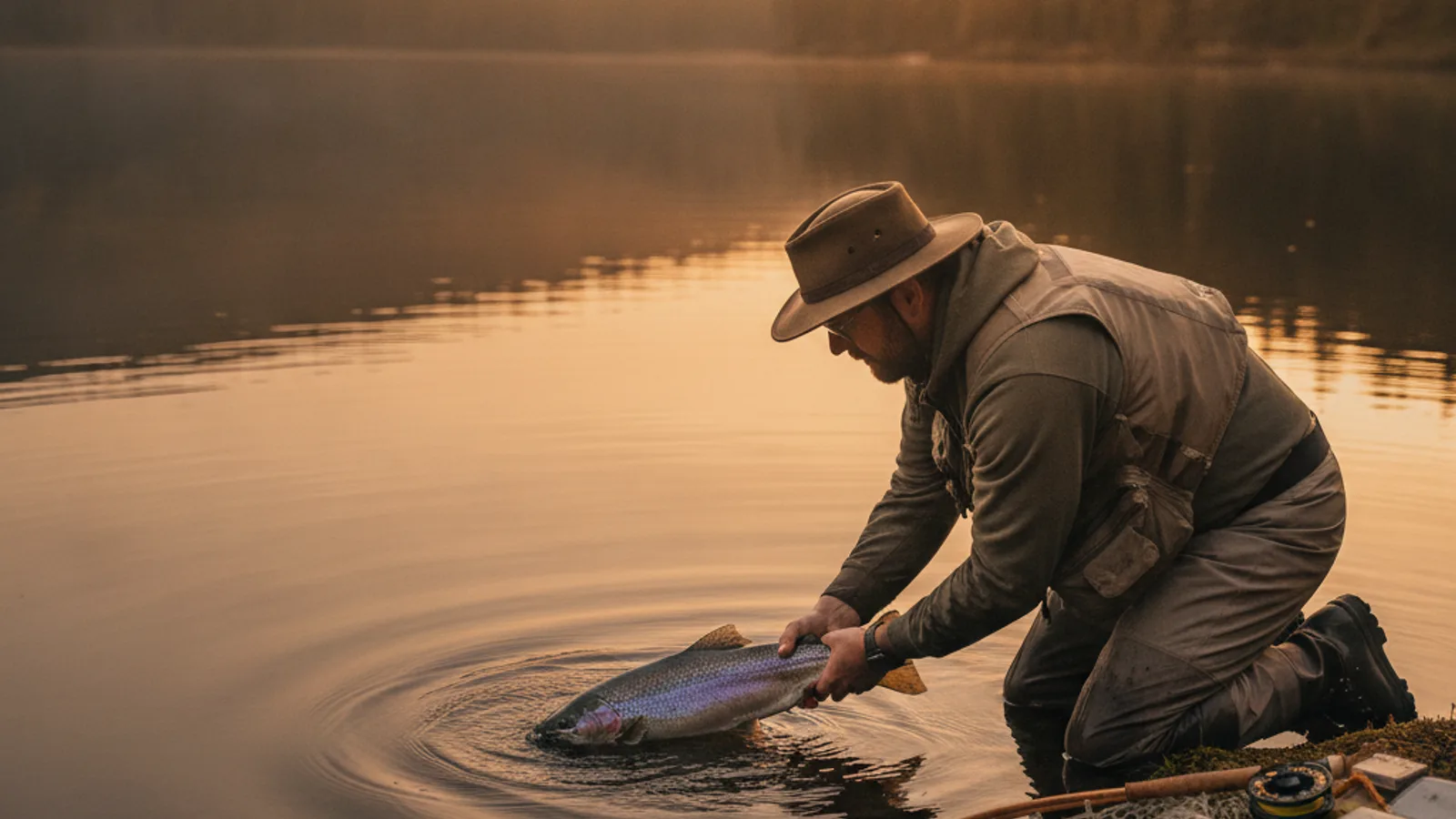
Catch and release fishing ensures our fisheries remain healthy for future generations. But simply unhooking a fish and tossing it back isn't enough, how you handle and release fish directly determines whether they survive. With proper technique, survival rates exceed 95%. With poor handling, mortality can reach 30% or more. Here's how to do it right.
Why Catch and Release Matters
Many anglers release fish voluntarily, while regulations often require it for undersized, oversized, or out-of-season fish. Either way, the goal is the same: the fish should swim away healthy and continue to grow, reproduce, and be caught again.
A single red drum can be caught and released dozens of times in its 40+ year lifespan. A trophy bass returned to the water can produce thousands of offspring. Every fish released properly is an investment in the future of fishing.
Before the Catch: Gear Preparation
Use Circle Hooks
Circle hooks are the single biggest improvement you can make for catch and release. They're designed to rotate as a fish takes the bait, hooking in the corner of the mouth rather than deep in the throat. This makes hook removal fast and reduces internal injuries by 50-80% compared to J-hooks.
Important: Don't set the hook with circle hooks like you would with J-hooks. Just reel tight and let the hook do its job. Jerking the rod can actually pull the hook free. For more on rigging, see our knots guide.
Barbless or Crimped Barbs
Pinching down the barb on your hook with pliers makes hook removal dramatically faster and less damaging. You'll lose a few more fish during the fight, but the ones you land will be released in much better condition. Many kayak anglers prefer barbless hooks since they're fishing at water level.
Use Appropriate Tackle
Light tackle is fun, but fighting a fish to exhaustion on ultralight gear increases stress and mortality. Use tackle heavy enough to land the fish in a reasonable time. A 10-minute fight on appropriate tackle is far better than a 30-minute marathon on too-light gear. See our best rod and reel combos for matched setups by species and technique.
Have Tools Ready
- Long-nose pliers or hemostats: For quick hook removal
- Line cutters: To cut a deeply set hook if needed
- Rubber-coated landing net: Protects the slime coat
- Dehooking tool: Allows release without handling the fish at all
- Wet towel or gloves: If you must handle the fish
The 30-Second Rule: From the moment a fish leaves the water, you have roughly 30 seconds before stress and organ damage escalate significantly. Plan your actions before you land the fish: hook removal first, quick photo second, release immediately. Practice makes this routine fast and smooth.
During the Catch: Fighting the Fish
- Land the fish as quickly as possible. A prolonged fight depletes the fish's energy reserves and builds up lactic acid, both of which can be fatal even after release.
- Keep steady pressure. Don't play the fish gently to prolong the fight; reel steadily and use the rod to guide the fish.
- If targeting large fish you intend to release, use gear heavy enough to land them in under 5-10 minutes.
Handling the Fish
Wet Your Hands First
Always wet your hands before touching a fish. Dry hands strip away the protective slime coat that shields fish from bacteria and parasites. Without this coating, fish become vulnerable to infections that can kill them days after release.
Support the Body
Never hold a fish vertically by the jaw, this strains internal organs and can dislocate the jaw, especially in heavy fish. Always support the belly with your other hand, keeping the fish horizontal. For large fish, cradle them in the water rather than lifting them out entirely.
Avoid Squeezing
Don't squeeze fish around the body or grip them by the gills. Both can cause fatal internal injuries. Use a lip grip or cradle the fish gently. If the fish is slippery and difficult to hold, use a wet rubber-coated net.
Minimize Air Exposure
Fish out of water are suffocating. Keep air exposure under 30 seconds, less is always better. If you want a photo, have your camera ready before you lift the fish. Take the photo at water level and return the fish immediately.
Removing the Hook
- Lip-hooked fish: Quick twist with pliers and the hook pops out. This is ideal and why circle hooks are so valuable.
- Throat-hooked fish: If the hook is deep and you can't easily remove it, cut the line as close to the hook as possible and leave the hook in. Fish can dissolve or expel hooks over time, trying to dig out a deep hook causes more damage than leaving it.
- Gill-hooked fish: If you see active bleeding from the gills, the survival chance drops significantly. If regulations allow, consider keeping the fish rather than releasing it to die.
Dehooking Tools: Inline dehooking tools let you pop out circle hooks without even touching the fish. They're especially useful for pier fishing where you need to release fish quickly at height. Keep one clipped to your belt.
Reviving and Releasing
Standard Release
For a fish that's still energetic and thrashing, simply lower it gently into the water headfirst and let go. Healthy fish will kick away immediately. Don't throw fish back, the impact can cause internal injuries.
Reviving Exhausted Fish
If a fish is lethargic after a long fight, it needs help recovering before release:
- Hold the fish upright in the water, facing into the current (or move it forward gently if there's no current)
- Support the belly and keep the fish submerged
- Wait for the fish to begin actively pumping its gills and moving on its own
- When the fish kicks away from your hands with force, it's ready
- Never push a fish backward through the water, water must flow forward through the gills
Deep Water Release (Barotrauma)
Fish caught from deep water (30+ feet) may exhibit barotrauma, bloated belly, protruding eyes, or stomach coming out of the mouth. Their swim bladder has expanded from the pressure change. These fish cannot swim back down on their own.
Solutions:
- Descending device: A weight that clips to the fish's lip and carries it back down to depth where the swim bladder re-compresses. Required by regulation in many fisheries.
- Venting tool: Puncturing the swim bladder to release expanded gas (less preferred than descending devices but still used)
Special Considerations by Species
- Bass: Very hardy. Lip grip and support the belly. Avoid holding large bass vertically, it can break their jaw. Survival rates are excellent with basic technique.
- Trout: Extremely sensitive. Keep them in the water as much as possible. Use a rubber net. Never handle with dry hands. Release in calm water.
- Redfish/Drum: Hardy species with good survival rates. Support horizontally and revive in current if needed.
- Tarpon: Never remove large tarpon from the water. Revive at boat-side. They're incredibly resilient if handled properly.
- Billfish: Release at the boat without removing from water. Cut the leader if the hook can't be easily reached.
Temperature Considerations
Water temperature significantly affects catch and release survival:
- Warm water (above 80°F): Fish are already stressed. Reduce fight time and handling. Dissolved oxygen is lower in warm water, making recovery harder.
- Cold water (below 50°F): Fish metabolism is slow. They fight less but also recover more slowly. Handle minimally.
- Optimal (55-75°F): Best survival rates. Fish can handle moderate fight times and brief handling.
Fish Responsibly, Check Conditions First
Check water temperatures, tides, and conditions at your spot to plan a responsible fishing trip.
Check Conditions →Frequently Asked Questions
Do fish survive catch and release?
Yes, survival rates are 90-95% or higher when done properly. Minimize air exposure, use circle hooks, handle with wet hands, and release quickly.
Should you use circle hooks for catch and release?
Absolutely. They reduce deep hooking by 50-80% and hook in the corner of the mouth, making removal easy and safe for the fish.
How long can you keep a fish out of water?
No more than 30 seconds, ideally less. Every second out of water increases stress and the risk of mortality.
Should you lip a fish or use a net?
A rubber-coated net is gentlest. Lip gripping is fine for bass but always support heavy fish horizontally with both hands.
Catch & Release Gear Toolkit
We may earn a commission on qualifying Amazon purchases at no extra cost to you.
- Circle hook assortment, reduces deep hooking by 50-80% vs J-hooks
- Rubber-coated landing net, protects slime coat, gentlest option for most species
- Stainless long-nose fishing pliers, quick hook removal without touching the fish
- Inline dehooking tool, pop out circle hooks in seconds; no bare-hand contact needed
- Fish grip / lip gripper, safe horizontal hold without squeezing the body
- Descending device, required by regulation in many fisheries for deep-water release
FISH SMARTER ⚓
FIND YOUR SPOT →