Home › Blog › Best Crappie Lures 2026
Best Crappie Lures 2026: Jigs, Spinners, Soft Plastics and Tubes by Season
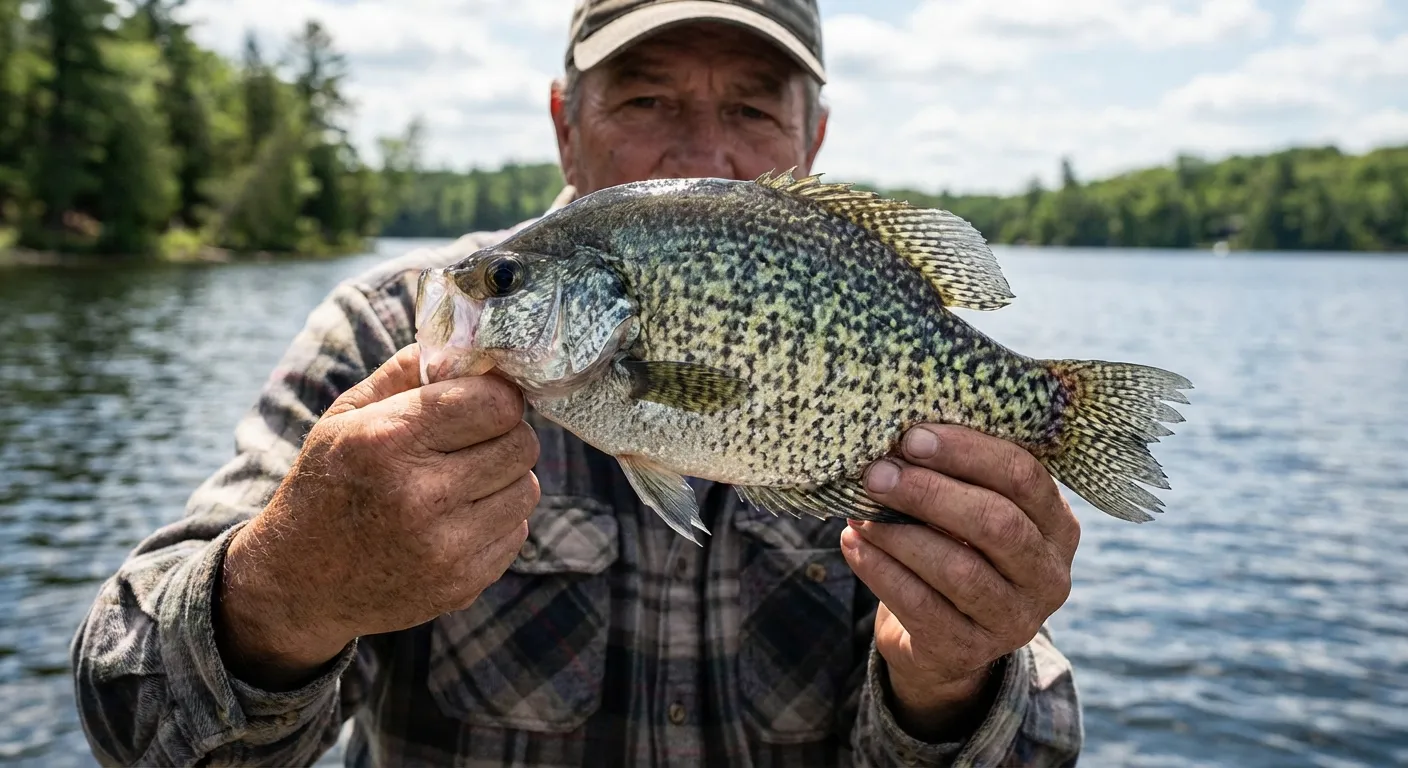
Crappie are not complicated fish. They live near structure, they eat small baitfish and insects, and they respond well to a small jig moved slowly through their strike zone. What trips up most crappie anglers is not the technique itself but using the wrong lure type for the season, the wrong weight for the depth, or the wrong color for the water clarity. This guide covers eight proven crappie lures, when to use each one, and how to fish them effectively.
For a quick recommendation, go to the quick picks table. For depth on any particular lure type, the sections below cover each category with specific rigging and presentation notes.
Quick Picks by Situation
| Situation | Lure Pick | Why |
|---|---|---|
| Best overall soft plastic | Bobby Garland Baby Shad | Proven shad imitation, slow-fall action draws finicky fish |
| Best spinner jig (docks, brush) | Blakemore Road Runner | Marabou body + spinner blade; works at very slow retrieve speeds |
| Best kit spinner | Johnson Beetle Spin Crappie Buster | Assorted colors and sizes; reliable bite-trigger in shallow cover |
| Best marabou jig | Northland Whistler Jig 1/8 oz | Marabou pulses on the pause; works well in cold water |
| Best paddle tail | Strike King Mr. Crappie Slab Slanger | Tail kick at slow speeds; strong action for cast-and-retrieve |
| Best crankbait | Strike King Slab Hammer | Tight wobble at trolling speeds; covers water quickly |
| Best beginner kit | Eagle Claw 53-Piece Crappie Kit | Tubes, jig heads, weights all included; fish-ready in minutes |
| Best scent attractor | Berkley Crappie Nibbles | Dough bait pinched on any jig hook; adds scent without changing lure action |
Soft Plastic Crappie Baits
Soft plastics are the most versatile crappie lures because they can be fished at any depth, at any speed, and in almost any cover. They pair with a jig head for vertical jigging under a float, cast-and-retrieve presentations, and long-line trolling. A 1 to 3-inch shad, grub, or tube is the standard size range for crappie across the country.
Bobby Garland Baby Shad 2"
The Bobby Garland Baby Shad has been one of the most consistent crappie soft plastics on the market for decades. The 2-inch shad profile matches the small shiner minnows and juvenile shad that crappie eat across most freshwater systems. The body material is salt-impregnated and softer than many competing plastics, which gives the tail a slower, wider wobble on the fall and on a steady retrieve.
Fish it on a 1/16 oz jig head for water from 5 to 15 feet. For depths beyond 15 feet, step up to a 1/8 oz head to get the lure down quickly enough to stay in the strike zone. The Baby Shad fishes well on a float rig (slow-dip the float to impart action), cast-and-retrieve (steady slow pace), and vertical jigging (short twitches with pauses). The most productive colors vary by water: white and chart-white for clear water, pink-chartreuse and orange-white for stained conditions.
For a bulk option that covers multiple techniques, Bobby Garland crappie bait assortments include several colors and bait styles in one package.
Pros
- Salt-impregnated body holds crappie longer on the strike
- Slow-fall wobble action draws hesitant fish
- Works on float rigs, vertical jigging, and cast-retrieve equally
- Available in a wide color range for any water clarity
Cons
- Soft material tears after several fish, requiring frequent replacement
- Requires a jig head to rig (not self-contained like a spinner)
Strike King Mr. Crappie Slab Slanger
The Slab Slanger is a paddle-tail soft plastic with a ribbed body and a wide boot tail that kicks strongly even at slow retrieve speeds. Where the Baby Shad has a subtle, shimmy action, the Slab Slanger produces a more aggressive thump that crappie locate from a greater distance. That makes it the better choice when fish are actively feeding, in low-visibility stained water, or in current where the extra vibration helps crappie find the lure.
The 2-inch body matches the same jig head weights as the Baby Shad and fishes well on a straight retrieve. Try it along the edges of flooded brush in spring when crappie are actively chasing shad. For cover-heavy situations where a single hook is needed, rig it on a 1/16 oz round-bend jig head weedless style with the point tucked lightly into the back of the body to reduce snagging.
Pros
- Boot tail creates strong kick at low retrieve speeds
- Good in stained water where vibration aids location
- Durable body material holds up better than some soft plastics
Cons
- More aggressive action can trigger refusals on post-frontal clear-water days
- Best on a steady retrieve; less natural on a pure vertical drop
Spinner Jigs for Crappie
Spinner jigs combine a jig head and body with a small blade attached on a wire just above the hook. The blade rotates on even the slowest retrieve, producing flash and vibration that draws crappie from cover. They are especially productive along dock posts, around brush piles, and in shallow coves during the spring spawn when crappie are holding near structure.
Blakemore Road Runner
The Road Runner is the standard by which spinner jigs for crappie are measured. The lead head comes in weights from 1/32 oz to 1/4 oz, and the marabou or bucktail body has a natural breathing action that pulses even when the blade is not spinning. The #0 or #1 Colorado blade on the wire arm turns at extremely low retrieve speeds, which is the key advantage: you can fish a Road Runner slower than almost any other spinner without losing blade action.
Cast it alongside dock posts and retrieve it along the shadow line at a pace that barely keeps the blade turning. This slow-swing technique is one of the most consistent dock-crappie presentations available. In spring, target the shaded side of dock structures. In summer, work it deeper by using the heavier 1/8 oz version and counting down before starting the retrieve. For open-water situations, pair with a slow troll along a brush-pile edge at 0.5 to 0.8 mph.
Pros
- Blade turns at extremely slow retrieve speeds
- Marabou body pulses even without blade movement
- Multiple weight and color options for any depth
- Proven multi-decade track record on crappie across the country
Cons
- Marabou body is fragile and needs replacing after extended use
- Wire arm can bend on heavy cover snags
Johnson Beetle Spin Crappie Buster Assortment
The Beetle Spin is one of the longest-running spinner-jig designs in freshwater fishing. The Crappie Buster assortment packs multiple colors of the 1/32 oz size, which is the right weight for crappie in shallow-water presentations from 2 to 8 feet. The grub body produces a curly-tail action on the fall and a swimming kick on the retrieve, and the Colorado blade gives the same low-speed trigger as the Road Runner.
The assortment format is useful for dialing in color. Start with white or chart-white in clear water and switch to chartreuse or pink in darker conditions. The 1/32 oz weight makes it a natural choice under a float, fished with a slow, rhythmic pop-and-pause retrieve that pulses the blade on each twitch. For areas with both crappie and bluegill, the Beetle Spin catches both species on the same retrieve.
Pros
- Assorted colors let you match the hatch or dial in a hot color
- 1/32 oz size ideal for very shallow or float-rig presentations
- Curly grub body adds action on the fall that straight-body jigs lack
Cons
- Lighter 1/32 oz weight limits effectiveness in deeper water
- Single hook size; no heavier versions in the Crappie Buster assortment
Marabou Jigs for Crappie
Marabou jigs are the classic crappie lure and still the most effective design for cold-water vertical jigging. The marabou feather or synthetic equivalent breathes and pulses on the slightest movement, which means the lure has action even during a dead stop. That pause-action is what makes marabou jigs particularly effective in late fall and winter when crappie are slow and will not chase a moving lure.
Northland Tackle Whistler Jig 1/8 oz
The Northland Whistler Jig pairs a fluted metal jig head with a marabou tail that includes a few strands of mylar flash. The fluted head gives it a slight spiral fall that differs from a plain round-head jig, and the marabou breathes on every tiny current movement. The 1/8 oz size is the right choice for depths from 10 to 20 feet, which covers most crappie structure fishing situations in reservoirs and natural lakes.
Vertical jig it directly below the boat or dock in winter. Drop to the bottom, reel up 3 to 5 feet, and work it with quarter-inch rod-tip twitches followed by a 2 to 4 second pause. In cold water below 50 degrees, extend the pause to 5 or more seconds. Most bites come on the pause as the marabou settles. For shallower spring situations, step down to the 1/16 oz version for a slower fall rate. The assorted color option gives a range of chartreuse, white, and natural finishes to test.
Pros
- Marabou pulses on the pause, triggering cold-water crappie
- Fluted head gives a unique spiral fall different from plain round heads
- Mylar flash adds visual trigger in low-light conditions
Cons
- Marabou absorbs water and collapses if fished too quickly
- Less effective than soft plastics on a steady cast-and-retrieve presentation
Crappie Crankbaits
Crankbaits are the most efficient crappie lure for covering open water quickly. Small crankbaits in the 1 to 2-inch range, trolled at 0.7 to 1.2 mph, locate suspended crappie schools in reservoirs faster than any vertical approach. Once the school is found, switch to jigs to stay on the fish. Crankbaits are spring and fall tools; in summer, crappie school deeper than most small crankbaits reach without heavy trolling weights.
Strike King Slab Hammer Crappie Crank
The Strike King Slab Hammer is designed specifically for crappie and small sunfish, with a compact body in the 1.5-inch range and a tight wobble that runs true at very slow trolling speeds. The built-in rattle helps crappie locate the lure in stained water or from a greater distance. For a presentation that differs from jigs, troll it along the edges of brush piles and creek channel ledges where crappie suspend in mid-water.
Run it on 6 lb monofilament or fluorocarbon, which gives the lure enough room to wobble correctly without the stiffness of heavier line. At 0.8 mph, the lure runs in its designed depth range. To go deeper without additional weight, switch to 4 lb line, which gives 2 to 4 additional feet of depth with the same lure. For a deeper-diving alternative, search for crappie crankbaits deep diving to find options with longer lips that reach 8 to 12 feet.
Pros
- Designed specifically for crappie at crappie trolling speeds
- Built-in rattle helps locate fish in stained water
- Tight wobble at very slow trolling speeds
Cons
- Limited depth range without additional weight
- Less practical than jigs for docks and brush pile vertical presentations
Beginner Kits and Scent Attractors
Eagle Claw 53-Piece Crappie Tackle Kit
The Eagle Claw crappie kit includes a variety of pre-rigged tube jigs, jig heads, split shot sinkers, and hooks in a compartment tray, all sized correctly for crappie. For someone new to crappie fishing who does not want to buy jig heads and plastics separately, it is the fastest way to get on the water with the right tackle in hand. The tube jigs in the kit fish particularly well on a slow, steady retrieve or under a float.
Tube jigs deserve a note here: the hollow body and curl-tail tentacles produce a spiral fall that many crappie species find irresistible, and tubes are one of the most consistent crappie lures in cold, clear water where the subtle action matters. Rig them on a 1/32 or 1/16 oz tube head inserted from the bottom of the hollow body, with the hook point exiting just below the nose of the tube. See the crappie fishing tips page for more on tube rigging and float setups.
Pros
- All-in-one kit eliminates guesswork about what to buy
- Tube jigs included are a consistently productive crappie style
- Range of sizes and colors in one package
Cons
- Quality of components is entry-level; serious anglers will want to upgrade individual items
- No marabou jigs included, so cold-water vertical jigging is not covered
Berkley PowerBait Crappie Nibbles
Berkley Crappie Nibbles are a soft dough bait designed to be pinched onto the bend of any jig hook as a scent enhancement. A small piece the size of a pencil eraser is enough to add scent and a slight texture change that causes crappie to hold the bait a fraction of a second longer, which gives the angler more time to detect and set the hook. They are particularly effective in cold-water winter fishing when crappie are sluggish and need an extra trigger to commit.
Use them in combination with any of the jigs above, not as a standalone lure. Pinch a small amount onto the jig hook before fishing. The scent disperses gradually in the water column, which creates a scent trail that draws crappie from a wider area than the visual profile of the jig alone. They are available in glow (for night fishing) and non-glow versions. Glow Nibbles under a dock light at night are a specific technique worth trying on heavily-pressured lakes where daytime fishing is slow.
Pros
- Adds scent without changing jig action or weight significantly
- Effective in cold water when crappie are holding baits only briefly
- Glow version adds a visual trigger for night fishing
Cons
- Washes off the hook relatively quickly; needs to be replaced every few casts
- Not a replacement for proper jig selection, only an enhancement
Crappie Lure Selection by Season
Spring (March to May, water 50 to 65 degrees)
Spring is the easiest time to catch crappie. Fish move into shallow water (2 to 10 feet) to spawn around brush, stumps, dock posts, and laydown timber. Soft plastics on 1/16 oz jig heads fished slowly through the cover produce consistently. Spinner jigs along dock shadows are productive from late morning through afternoon. The Baby Shad in white or pink-chartreuse is the standard spring go-to on most lakes. Target water temperatures between 58 and 65 degrees for the densest spawning concentrations.
Summer (June to August, water 70+ degrees)
Crappie move deeper in summer to find comfortable water temperatures, typically staging at 12 to 25 feet around brush piles and submerged timber. Vertical jigging directly over located schools is the most efficient summer approach. Use the Northland Whistler Jig in 1/8 oz to reach depth quickly, or troll crankbaits along creek channel ledges at 12 to 18 feet to locate suspended fish. Night fishing under dock lights with glow-tipped jigs and Crappie Nibbles becomes increasingly productive as summer deepens.
Fall (September to November, water 55 to 70 degrees)
Fall crappie follow shad schools near the surface in early fall, then progressively deepen as water cools. The Slab Slanger paddle tail on a steady retrieve mimics the shad that crappie are chasing in open water. Road Runner spinner jigs troleld along main-lake points and the mouths of creek arms are productive as fish stage for winter. Use your fish finder to locate suspended schools before committing to a vertical presentation.
Winter (December to February, water below 50 degrees)
Cold-water crappie school tightly around the deepest available brush and hard-bottom structure. Presentations must be slower than any other season. Vertical jig a Northland Whistler Jig with tiny twitches and extended pauses directly over the located school. Pinch a small Crappie Nibble on the hook for additional scent. Depths of 18 to 35 feet are common on reservoirs with defined channel structure. Once the school is found, crappie will stack under the boat and the bite can be steady for hours.
Jig Weight and Color Quick Reference
| Water Depth | Jig Weight | Retrieve Style |
|---|---|---|
| 0 to 6 feet | 1/32 oz | Float rig, slow retrieve, or short cast-and-drop |
| 6 to 15 feet | 1/16 oz | Vertical jigging or slow cast-and-retrieve |
| 15 to 25 feet | 1/8 oz | Vertical jigging, count down to depth, long pauses |
| 25+ feet | 3/16 to 1/4 oz | Vertical jigging directly below the school |
| Water Clarity | Color Recommendation |
|---|---|
| Clear (visibility 4+ feet) | White, pearl, light chartreuse, smoke, natural shad |
| Stained (visibility 1 to 4 feet) | Chartreuse, pink, orange-chartreuse, yellow-orange |
| Muddy (visibility under 1 foot) | Chartreuse, white, or glow for maximum contrast |
| Night fishing | Black, purple, glow-white, glow-chartreuse |
Frequently Asked Questions
What is the best crappie lure for beginners?
For beginners, a 1/16 oz jig head tipped with a 2-inch Bobby Garland Baby Shad soft plastic is the simplest and most effective crappie setup. The Baby Shad mimics the small shad and minnows crappie eat, the 1/16 oz head sinks slowly enough to fish at any depth, and the action only requires a slow, steady retrieve or a gentle vertical jigging motion. If the soft plastic requires too much rigging, the Eagle Claw Crappie Tackle Kit includes pre-rigged tube jigs, jig heads, and assorted weights in one box, so beginners can start fishing in minutes without sorting tackle.
What is the best crappie lure for dock fishing?
For dock fishing, the Blakemore Road Runner or Johnson Beetle Spin are the most reliable choices because the spinner blade kicks out at low speeds, which is exactly what you need when swimming a jig parallel to dock posts or under floating docks. Cast past the dock and retrieve the lure along the shadow line, keeping the jig just fast enough to keep the blade turning. In clearer water, a 2-inch soft plastic like the Bobby Garland Baby Shad on a 1/16 oz jig head gives a slower, more subtle presentation that dock-sitting crappie often prefer on post-frontal days.
What size jig is best for crappie?
The most versatile crappie jig weight is 1/16 oz. It sinks slowly enough for shallow water presentations and can be fished effectively at 10 to 15 feet with a slow retrieve or vertical jigging motion. In deeper water (15 to 25 feet), 1/8 oz gives a faster sink rate that gets the jig down more quickly and holds depth better in current. In very shallow water (under 5 feet) or when crappie are suspended high in the water column, 1/32 oz is the right choice. For cold-water winter fishing when crappie slow down, drop down one weight class from your normal choice to slow the presentation.
What color crappie lures work best?
In clear water, natural minnow colors like white, pearl, light chartreuse, and smoke gray produce the most consistent results. Crappie feeding on shad in clear reservoirs can be selective about natural presentations. In stained or off-color water, brighter colors like chartreuse, pink, and orange-red trigger reaction strikes from fish that are locating lures by their lateral line rather than sight. Pink and chartreuse are the most universal stain-water colors across the country. Black and purple jigs under a float produce well at night and in very low-light conditions, where the dark profile creates a strong silhouette against a slightly lighter sky.
Do crappie bite in cold water?
Crappie bite in cold water but require a significantly slower presentation. Below 50 degrees Fahrenheit, crappie metabolism slows and they will not chase a fast-moving lure. The most effective cold-water approach is vertical jigging with a 1/32 oz or 1/16 oz marabou jig directly over the school, using tiny rod-tip twitches with long pauses between them. Crappie school tightly under brush piles and around submerged structure in cold water, so locating the school with a fish finder before dropping a jig saves time. Chartreuse and white jigs with a small Berkley Crappie Nibble pinched on the hook for scent often produce when nothing else does in cold-water situations.
For presentation details on float rigs, spider-rigging, and finding crappie schools by season, see the crappie fishing tips guide and the spring crappie fishing guide. For choosing a fish finder to locate crappie schools at depth, the best fish finders guide covers units suited to crappie anglers.