Fall Fishing Guide 2026: When Bass, Walleye & Crappie Feed Up
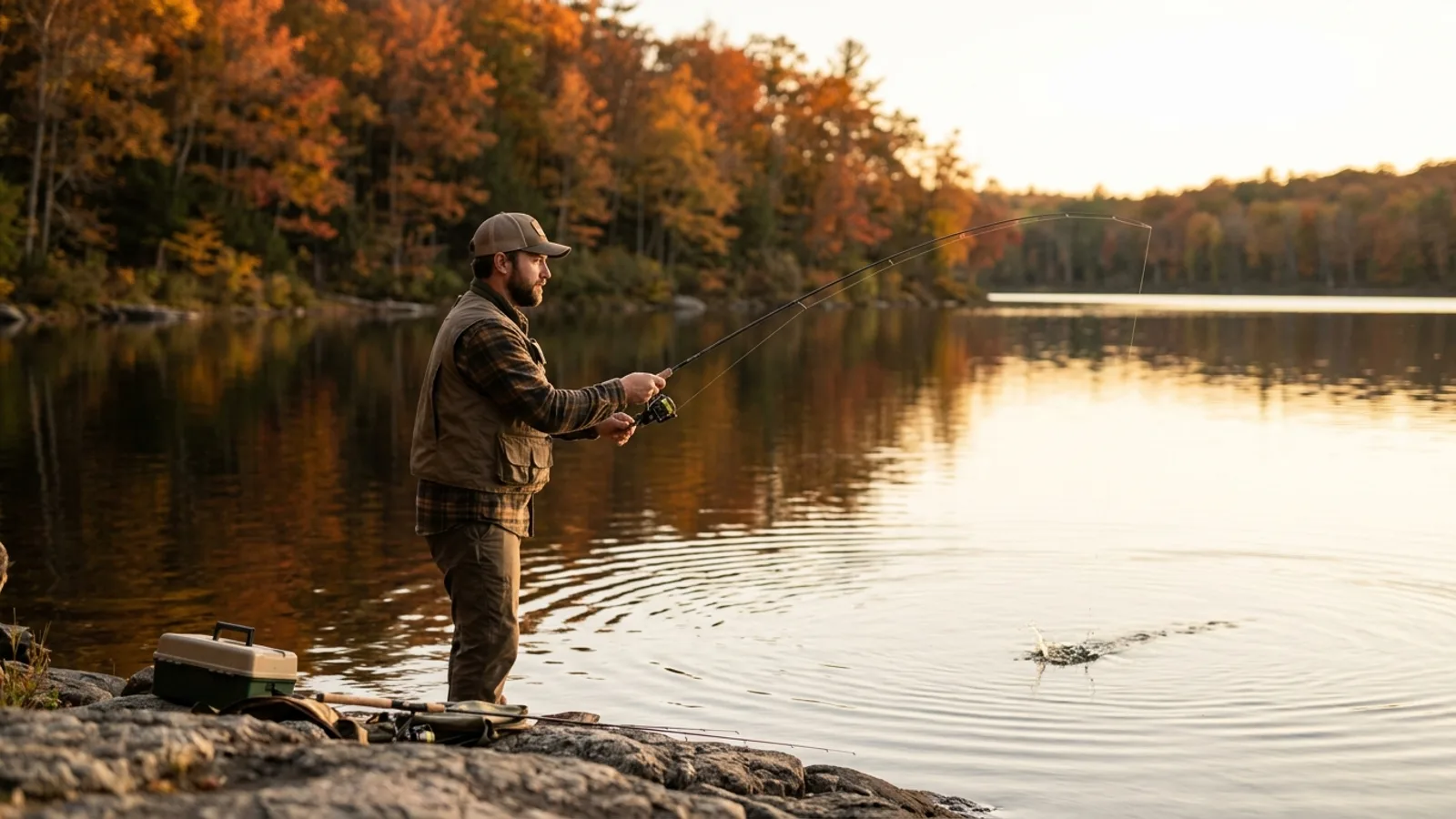
Fall might be the most misunderstood season in fishing. Anglers who quit after Labor Day miss the single biggest feeding event of the year. As water cools, bass, walleye, and crappie all sense winter coming and gorge on baitfish for six to ten straight weeks. The catch is that fall also brings turnover, the one event that can shut a lake off completely for a week or two. This guide covers both: how to fish through turnover, and how to cash in on the binge that follows.
At a Glance
 Rapala Down Deep Husky Jerk
 Rapala Shad Rap 05
 Heddon Sonar Blade Bait
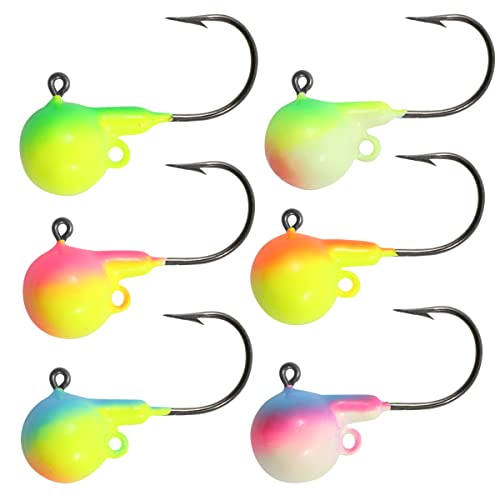 Northland Fire-Ball Jig
 Garmin Striker Vivid 5cv
 Daiwa TATULA 100 Baitcast Reel
Product images and titles from Amazon. As an Amazon Associate we earn from qualifying purchases.
Fall Turnover: What It Is and How to Fish Through It
All summer, most lakes are stratified into layers. Warm, oxygen-rich water sits on top, a narrow thermocline sits in the middle, and cold, oxygen-poor water sits on the bottom. Fish live above the thermocline because that is where the oxygen is.
When fall air temperatures drop, the surface water cools until it matches the temperature of the water below it. Once the whole column is roughly the same temperature and density, wind mixes the entire lake from top to bottom. That mixing is turnover. It stirs up decaying matter off the bottom, temporarily drops oxygen levels everywhere, and often turns the water murky with a distinct musty smell. Fish that spent all summer pinned to the thermocline suddenly have the entire lake available, and they scatter.
When Turnover Happens by Region
- Northern states (MN, WI, MI, NY, New England): mid-September to early October, when surface temps fall through the mid-50s
- Mid-latitude states (OH, PA, MO, KS, VA): early to late October
- Southern states (TN, GA, TX, AL): late October into November, and shallow southern reservoirs may barely stratify at all, so turnover is milder
How to Fish Through It
You have three good options when your lake is turning over:
- Fish a different lake. Not every lake turns at the same time. Small, shallow lakes turn first; big, deep ones turn last. Rivers never stratify, so they never turn over. Use our lake maps index to line up backup water.
- Fish the parts that never stratified. Shallow flats, the backs of creek arms, and river-fed upper ends stay oxygenated and hold active fish while the main basin recovers.
- Slow down and cover water. Scattered fish reward efficiency. A spinnerbait or lipless crankbait fished on the move will find the pods faster than soaking one spot.
The good news: turnover lasts one to two weeks, and the lake that comes out the other side is fully mixed, evenly oxygenated, and primed for the best bite of the year.
The Fall Feeding Binge: Temp Windows by Species
Falling water temperature is the trigger. A cheap digital thermometer, or the surface temp readout on a good fish finder, tells you exactly where each species is in its fall program.
Bass: 55-65°F, the Shallow Shad Chase
When surface temps drop into the low 60s, shad migrate into creek arms and pockets, and bass follow them like wolves. The 55-65°F window is the best shallow bass fishing of the entire year. Bass herd bait against banks and bust it on the surface. Look for flickering shad, diving birds, and nervous water. When temps slide below 55, bass drift back toward channel swings and steeper structure, but they keep eating.
Walleye: 45-55°F, the Night Bite
Fall walleye slide shallow after dark to ambush baitfish on rocky points, riprap, and shallow flats next to deep water. The colder it gets, the bigger the average fish. Trophy hunters circle late October and November on the calendar for a reason: the biggest females of the year come from casting stickbaits over shallow rock at night in 45-50 degree water. Slow, steady retrieves with long pauses outproduce everything else.
Crappie: 50-65°F, Schooling on Brush
Fall crappie behave almost like they do in spring, minus the spawn. As water cools through the 60s, they group into big schools around brush piles, standing timber, and bridge pilings in 10-20 feet. The schools are tight and stacked, so one good waypoint can produce a limit. Side imaging and down imaging shine here; graph the brush, then hover on it with a jig or minnow.
Month-by-Month Fall Patterns
September: The Wake-Up
Early September still fishes like summer, but the first cool nights start the shift. Surface temps fall out of the high 70s and bait begins edging toward creek mouths.
- Bass: Split the day. Topwater and buzzbaits over flats early, then follow fish to the first depth change as the sun climbs. Schooling activity picks up week by week.
- Walleye: Still relating to deep structure and weed edges. Trolling crankbaits like the Berkley Flicker Shad (I own this one; it has earned its spot.) or a Northland Baitfish Spinner Harness along breaklines covers water while fish are spread out.
- Crappie: Transitioning off deep summer ledges. Graph brush in 15-20 feet near creek channels and check each pile quickly.
- Watch for: Turnover starting in the North late in the month.
October: The Main Event
October is to fall what May is to spring: the month everything peaks. Once a lake finishes turning over, expect two to six weeks of aggressive, shallow, catchable fish.
- Bass: Follow the shad up the creek arms. Spinnerbaits, squarebills, and lipless baits in shad patterns. If you see surface activity, get a bait there fast.
- Walleye: The night bite turns on as temps fall through the low 50s. Cast a Rapala Down Deep Husky Jerk over rocky points after dark, painfully slow. Daytime fish take a jig and minnow, and the Northland Fire-Ball Jig is the classic short-shank choice for tipping with a full minnow.
- Crappie: Schools tighten on mid-depth brush. A 1/16 oz jig hovered a foot above the pile, or a minnow on a slip bobber, fills coolers.
- Watch for: The first hard cold fronts. Fish the warming trend two or three days after a front, and check our best fishing times and moon phase guide to stack the odds.
November: Big Fish, Small Windows
Fewer bites, bigger fish. Water temps fall through the 40s in most of the country, and the feeding windows compress into a few prime hours, usually midday when the water is warmest and around major feeding periods.
- Bass: Fish pull out to channel swings, bluff ends, and steep rock. Slow-roll spinnerbaits, drag jigs, and work a suspending jerkbait with 5-10 second pauses. Blade baits like the Heddon Sonar yo-yoed off deep structure catch bass most anglers never see.
- Walleye: Trophy time. Night casting shallow rock continues until ice-up, and vertical jigging a Rapala Jigging Rap (I own this one; it has earned its spot.) on deep river holes and reservoir channels produces the fattest fish of the year. Our best walleye lures guide ranks the full late-season arsenal.
- Crappie: Schools slide deeper, 20-30 feet on channel-edge brush and timber. Downsize to 1/32 oz jigs and slow everything down.
Fall Presentation Changes: Bigger, Faster, Shad Everything
Two rules drive fall lure selection. First, match the shad: threadfin and gizzard shad have grown all summer, so bump up your bait size. Second, until the water drops below about 55°F, fish faster than feels comfortable. Fall fish are chasing, and a fleeing bait triggers strikes a crawling bait does not.
- Jerkbaits: The number one fall bait for both bass and walleye. Erratic slashes imitate a dying shad. Speed up the cadence in October, stretch the pauses in November.
- Spinnerbaits: A 1/2 oz double willow in white or white-chartreuse burned over flats and wood is the classic October bass search tool. Slow-roll the same bait in November.
- Lipless and shallow crankbaits: Cover water in creek arms and rip them free of dying grass. A Rapala Shad Rap (I own this one; it has earned its spot.) in shad or perch remains one of the deadliest cold-water cranks ever made, and the Bandit Walleye Deep gets down to trolled walleye on the breaks.
- Blade baits: The most underrated cold-water lure in America. When temps fall below 50, a vibrating metal blade ripped off the bottom catches bass, walleye, and even jumbo crappie.
- Reels matter more in fall: Burning spinnerbaits all day calls for a faster gear ratio. A 7:1 class baitcaster like the Shimano SLX 150 or Daiwa Tatula 100 keeps up with fleeing bait and picks up slack on blade-bait hops.
Where Fish Move in Fall
Fall location boils down to one sentence: find the bait, and stay near the migration routes.
- Creek arms: The classic fall migration. Shad move from the main lake into the backs of creeks, and bass and crappie follow in stages. Start at the mouth in September, work halfway back in early October, and fish the very backs by late October.
- Flats adjacent to channels: Fish feed up on the flat and slide off into the channel when fronts pass. Any flat in 3-10 feet with a defined channel edge nearby is a fall fish factory. Learn to spot these on contour maps with our free lake maps.
- North banks: North-facing banks get the most direct autumn sun, so the water there runs a few degrees warmer and holds bait longer. On cold, sunny November days, the north bank is often the only bank that matters.
- Rock and riprap: Rock holds daytime heat into the night, which is exactly why night-bite walleye slide onto riprap and rocky points after dark.
- Last green weeds: As vegetation dies, the remaining healthy green grass concentrates everything: bait, bass, walleye, and pike.
Fall Electronics: Finding Roaming Bait
Fall fish follow bait that moves daily, so electronics earn their keep more now than any other season. A budget unit like the Garmin Striker Vivid 5cv will show bait balls and mark brush. Side imaging on a Humminbird Helix 7 CHIRP MEGA DI or mapping on a Garmin ECHOMAP UHD 74cv lets you scan whole creek arms in minutes instead of hours, and a big-screen unit like the Lowrance HDS Live 9 (I own this one; it has earned its spot.) pairs mapping and imaging side by side. Idle the creek arm first, find the bait, then fish. A quiet electric motor such as the Minn Kota Endura Max 55 helps you slip along shallow banks without spooking the school, and a GPS anchor model like the Minn Kota Terrova 55 (i-Pilot) will hold you on a crappie brush pile in the wind.
Fall Pro Tip: Wind is your friend in fall. A steady wind piles plankton, then bait, then gamefish onto the windblown bank within hours. If it is blowing on a flat near a channel, fish it before you fish anything else.
Plan Your Fall Trips with Real-Time Data
Check solunar periods, weather, and conditions at your favorite fishing spot.
Check fishing conditions near you →Frequently Asked Questions
What water temperature is best for fall fishing?
The 55-65°F window is the overall sweet spot. Bass chase shad shallow, crappie school on mid-depth brush, and walleye begin their night bite. Below 55, action slows but average size climbs, especially for walleye.
How long does fall turnover last?
The active mixing usually lasts a few days to two weeks per lake. Fishing is toughest during and immediately after mixing, then improves rapidly once the water clears and oxygen levels even out. Rivers and very shallow lakes skip turnover entirely.
Is fall fishing better in the morning or afternoon?
Unlike summer, fall often fishes best from late morning through mid-afternoon, when the sun has warmed the shallows a degree or two. The exception is the walleye night bite, which starts at dusk. See our feeding times by species guide for details.
Do fish stop biting after the first frost?
No, the opposite. The first frosts kick off the heaviest feeding of the year because fish sense winter coming. Many anglers catch their biggest bass and walleye of the season between the first frost and ice-up.
FISH SMARTER ⚓
FIND YOUR SPOT →