Saltwater Fishing for Beginners: Complete Getting Started Guide
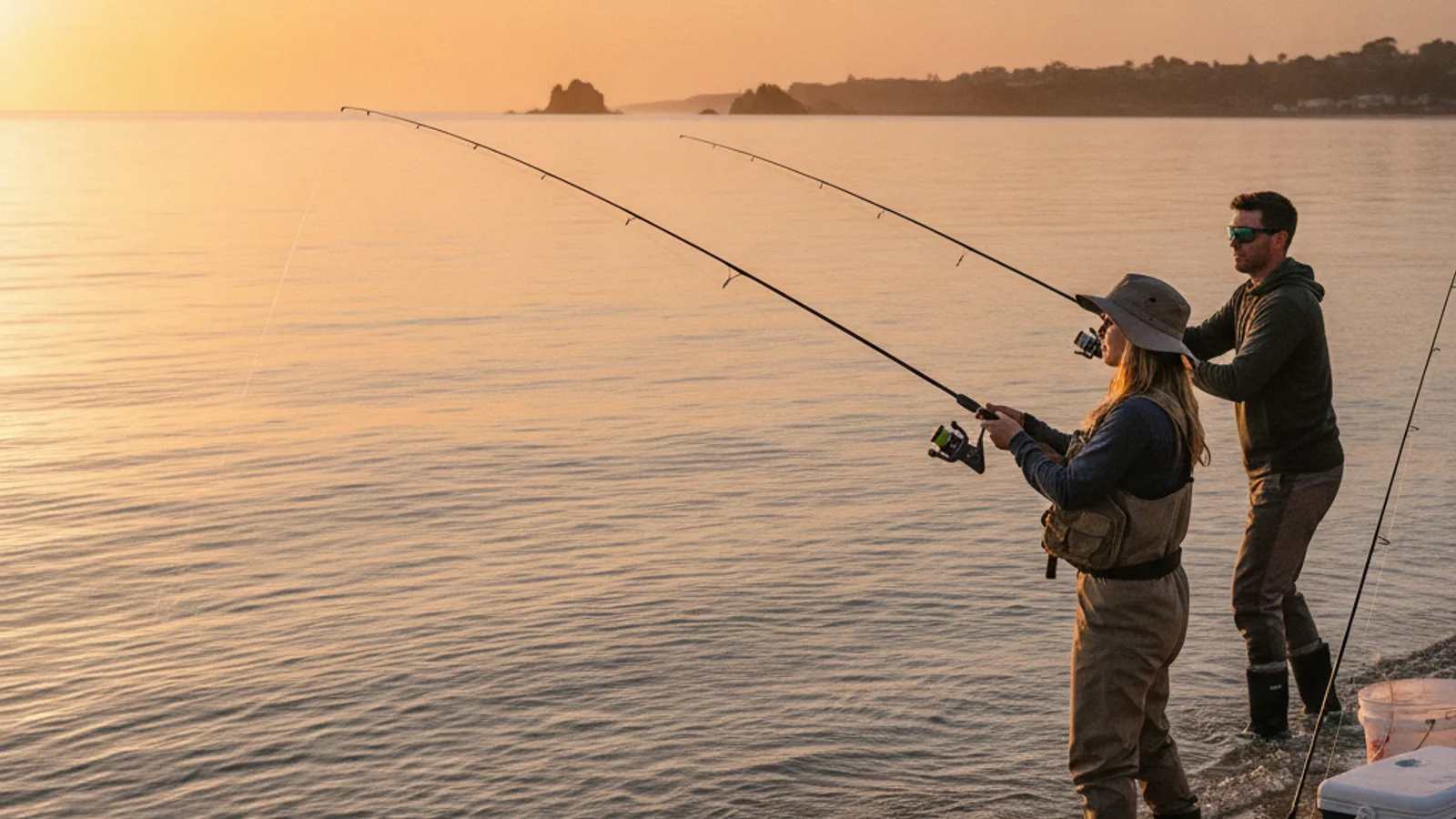
There's nothing quite like the pull of a saltwater fish on the end of your line, the raw power, the ocean spray, the thrill of not knowing exactly what you've hooked. If you're ready to take the plunge into saltwater fishing, this guide covers everything you need to get started, from gear and bait to where to fish and what to expect.
Why Saltwater Fishing?
Saltwater fishing offers an experience that freshwater simply can't match. The species diversity is staggering, from hard-fighting redfish and striped bass to acrobatic tarpon and massive grouper. Whether you're casting from a beach, a pier, a kayak, or a boat, the ocean serves up endless possibilities.
Best of all, you don't need a boat to get started. Some of the most productive saltwater fishing happens from shore, piers, jetties, and bridges, all accessible to complete beginners.
Essential Gear for Saltwater Beginners
Affiliate Disclosure: Fishn Buddy is reader-supported. Some links below are Amazon affiliate links (tag: twfishnbuddy-20). If you purchase through them, we earn a small commission at no extra cost to you.
Rod and Reel
Start with a 7-foot medium-heavy spinning combo rated for saltwater use. This is your do-everything setup that handles everything from pier fishing to surf casting. Look for corrosion-resistant components, saltwater destroys cheap freshwater gear fast. The Penn Pursuit IV combo is a go-to for beginners: fully sealed body, HT-100 drag washers, and a lifetime warranty. Budget $80-150 for quality gear from Penn, Daiwa, or Shimano.
Line and Leader
Spool with 15-20 lb braided line and attach a 2-3 foot fluorocarbon leader (20-30 lb). Braid gives you sensitivity and casting distance; the fluorocarbon leader is nearly invisible underwater and resists abrasion from toothy fish, shells, and structure. Learn the essential knots to connect them properly.
Terminal Tackle
- Circle hooks (1/0 to 3/0): Cover most inshore species and hook fish in the corner of the mouth, making catch and release easier.
- Split shot and egg sinkers: 1/4 oz to 1 oz for most situations
- Jig heads (1/4 oz and 3/8 oz): With 2/0 hooks, pair with soft plastic shrimp or paddle tails for versatile saltwater action.
- Bobbers/floats: Popping corks are popular in saltwater for suspending bait
Must-Have Accessories
- Needle-nose fishing pliers, for hook removal, crimping, and cutting wire; get corrosion-resistant stainless for saltwater use
- Line cutters or scissors
- Bucket or cooler with ice
- Sunscreen (SPF 50+) and polarized sunglasses, essential for spotting fish and protecting your eyes from glare
- Fishing towel or rag
- Saltwater fishing license (required in most states)
Budget Tip: Don't break the bank on your first setup. A $100-150 spinning combo will handle 90% of inshore saltwater fishing. Upgrade individual pieces as you learn what you like. The fish don't care about your gear's price tag.
Complete Saltwater Beginner Gear Kit
- Penn Pursuit IV Spinning Combo, 7ft medium-heavy, sealed body, best-in-class beginner saltwater rod/reel
- PowerPro Braided Line (20 lb), Spectra fiber braid with zero stretch for maximum sensitivity; top choice for saltwater spinning reels
- Seaguar Red Label Fluorocarbon Leader, Near-invisible 100% fluorocarbon for inshore leader material; pre-spooled 200-yard spool
- Saltwater Circle Hook Assortment, Offset circle hooks in 1/0–3/0; corner-of-mouth hooking reduces gut-hooking for better C&R survival
- Saltwater Tackle Box, Rust-resistant Zerust-coated trays keep saltwater terminal tackle from corroding between trips
- Saltwater Fishing Pliers, Stainless or titanium needle-nose; essential for hook removal on toothy inshore species like bluefish and Spanish mackerel
Best Bait for Saltwater Beginners
When you're starting out, live bait is king. It moves naturally, smells right, and catches everything. Visit a local bait shop and ask what's working, they'll steer you right.
- Live shrimp: The #1 saltwater bait. Catches virtually every inshore species. Hook through the tail or under the horn.
- Cut bait (mullet, squid): Cheap, easy to use, stays on the hook. Great for bottom fishing.
- Sand fleas (mole crabs): Deadly for pompano, whiting, and sheepshead. Dig them from the wet sand at the beach.
- Artificial shrimp/grubs: Soft plastic lures on jig heads work when live bait isn't available
For a deep dive into what works for which species, check our complete saltwater bait guide.
Where to Fish (Without a Boat)
Fishing Piers
Pier fishing is the most beginner-friendly way to start saltwater fishing. Piers put you over deeper water where fish congregate around the structure. Most charge a small daily fee ($5-10) and don't require a separate fishing license. You'll catch whiting, flounder, sheepshead, and sometimes bigger fish like king mackerel and cobia.
Beaches and Surf
Surf fishing is free and accessible anywhere there's public beach. Wade out to sandbars and cast into troughs where fish feed. Best during incoming tides and early morning. Target pompano, redfish, whiting, and bluefish.
Jetties and Seawalls
Rocky jetties hold incredible numbers of fish. Snook, sheepshead, flounder, and grouper all lurk around the rocks. Be careful on slippery surfaces and bring a landing net, you can't climb down to grab a fish.
Bridges and Causeways
Bridges create current breaks that concentrate baitfish and attract predators. Night fishing under bridge lights is particularly productive for snook and tarpon. Check local regulations, some bridges restrict fishing to specific areas.
Understanding Tides for Saltwater Fishing
Tides are the heartbeat of saltwater fishing. They control where fish feed, when bait moves, and how productive your outing will be. Moving water is the key, fish feed most actively during incoming and outgoing tides, and slow down during slack tide.
Read our detailed guide on the best time to fish by tide and learn how to read tide charts to plan your trips. Even a basic understanding of tides will dramatically improve your catch rate.
Basic Saltwater Techniques
Bottom Fishing
The simplest technique: attach a sinker, hook on bait, cast out, and let it sit on the bottom. Use just enough weight to hold bottom in the current. This catches flounder, snapper, grouper, and sheepshead. Set the hook when you feel a steady pull, don't jerk on every nibble.
Float Fishing
Suspend bait under a float (popping cork in saltwater) at a set depth. Great for targeting trout, redfish, and snook over grass flats. Adjust depth until you find where the fish are holding.
Casting and Retrieving
Cast artificial lures or jig heads with soft plastics and retrieve with a steady or jerky motion. This is more active and covers more water. Vary your retrieve speed until you find what triggers strikes.
Saltwater Safety Tips
- Watch for stingrays: Shuffle your feet when wading to avoid stepping on them
- Handle fish carefully: Many saltwater fish have sharp spines, teeth, or gill plates. Use pliers and a towel.
- Stay hydrated: Sun, salt, and wind dehydrate you fast. Bring plenty of water.
- Check the weather: Saltwater weather changes fast. Know the forecast and watch for building thunderstorms.
- Respect rip currents: If wade fishing, know how to identify and escape rip currents.
Your First Saltwater Trip Checklist
- Get your saltwater fishing license
- Check tide charts and fishing conditions on Fishn Buddy
- Pick a beginner-friendly spot (pier or easy beach access)
- Buy live shrimp at a local bait shop (ask for tips!)
- Arrive 2 hours before high tide for best action
- Start with a simple bottom rig or float setup
- Be patient, the fish will find your bait
Plan Your First Saltwater Trip
Check tides, solunar periods, and fishing conditions for 3,900+ coastal locations, completely free.
Check Fishing Conditions →Frequently Asked Questions
What gear do I need for saltwater fishing?
A medium-heavy spinning combo rated for saltwater ($100-150), 15-20 lb braided line with fluorocarbon leader, circle hooks (1/0-3/0), sinkers, and jig heads. Add pliers, sunscreen, and polarized sunglasses.
Is saltwater fishing harder than freshwater?
Not harder, but different. Saltwater fish fight harder, tides add complexity, and the environment is tougher on gear. Many anglers find it more exciting once they learn the basics.
Do I need a license for saltwater fishing?
Most US states require one ($10-50 for residents). Some piers include it in the admission fee. Check your state's fish and wildlife website.
What is the easiest saltwater fish to catch?
Pinfish, whiting, croaker, and spot are the easiest. For bigger targets, flounder, speckled trout, and sheepshead are all beginner-friendly species.
FISH SMARTER ⚓
FIND YOUR SPOT →